

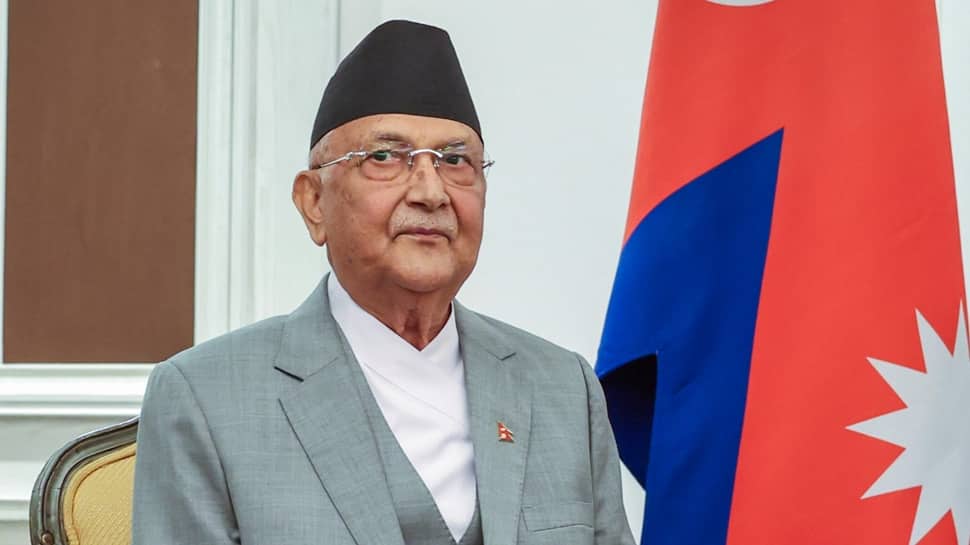
Nepal Prime Minister K.P. Sharma Oli stepped down on Tuesday as violent demonstrations engulfed Kathmandu, with thousands of young protestors storming Parliament and torching the homes of senior leaders. The unrest, sparked by anger over alleged corruption and a controversial social media ban, has plunged the Himalayan nation into political turmoil. Earlier, KP Oli had called an all-party meeting to discuss the situation and protestors demand. However, the PM resigned as protest turned violent and agitators refused to buzz. Fractures appeared in the ruling coalition following the loss of lives in the protest, as at least four ministers resigned from their positions.
Streets Boil Over
The protests, led largely by Gen-Z demonstrators, intensified after security forces attempted to enforce an indefinite curfew. Defying orders, crowds pulled down barricades, chanted anti-government slogans, and clashed with police, who responded with tear gas. At least 19 people have been killed since Monday, according to officials.
Also Read: Nepal Protests -Home Minister Resigns Amid Widespread Protests Over Social Media Ban; 19 Dead
Parliament and Leaders’ Homes Targeted
In one of the most dramatic escalations, protestors breached the Singha Durbar administrative complex and occupied parts of Parliament before the army moved in. The private residence of Prime Minister Oli was set ablaze, while mobs also attacked the homes of President Ram Chandra Poudel and former Prime Minister Pushpa Kamal Dahal “Prachanda.” Residences of Nepali Congress chief Sher Bahadur Deuba and Home Minister Ramesh Lekhak were also torched.
As protests in Nepal entered their second day on Tuesday, demonstrators escalated their actions by attacking the residences of Prime Minister K.P. Sharma Oli, former premiers Sher Bahadur Deuba and Pushpa Kamal Dahal, along with several cabinet ministers. Crowds also targeted political institutions, vandalizing and setting ablaze the headquarters of the ruling Communist Party of Nepal (Unified Marxist–Leninist) and the Nepali Congress in Kathmandu Valley.
Ministers Evacuated Under Army Watch
The Nepali Army evacuated ministers from their official quarters in Bhaisepati using helicopters, as incidents of arson and vandalism spread across the capital. Military units have since been stationed around Parliament and other key government buildings. A video of a helicopter carrying the ministers from their official residence has also surfaced on social media. There are also reports suggesting that Oli is departing for the United Arab Emirates for medical treatment.
Also Read: Nepal Withdraws Social Media Ban After Deadly Protests – What We Know So Far
Oli Appeals for Calm
Before announcing his resignation, Oli appealed to protestors for dialogue and restraint. However, mounting public pressure and the scale of violence made his position untenable. His resignation marks one of the most dramatic political collapses in Nepal in recent years.
A Nation at a Crossroads
What began as outrage over restrictions on social media has quickly spiraled into a broader youth-driven uprising against corruption and entrenched leadership. With Oli’s departure, Nepal now faces uncertain days ahead as political parties scramble to fill the leadership vacuum while protestors demand sweeping reforms.