

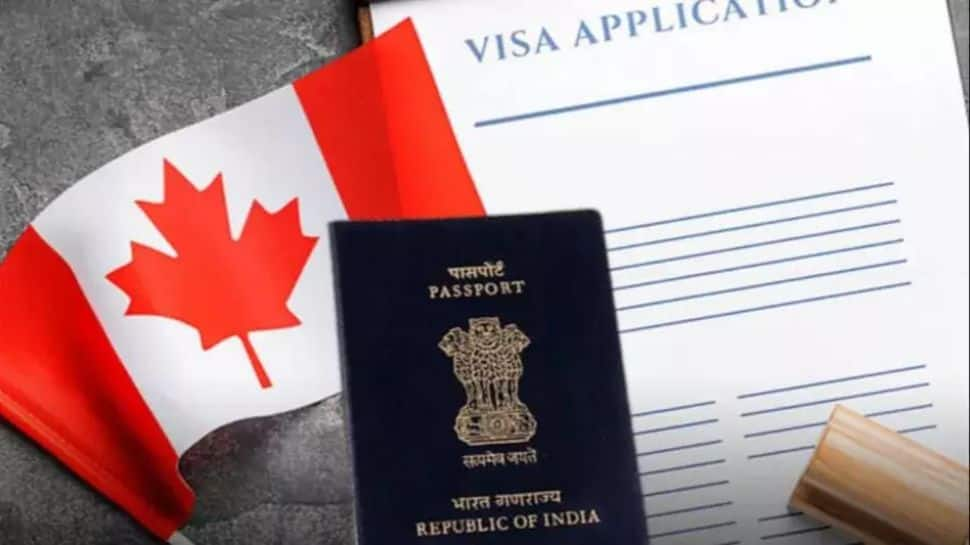
New Delhi: Canada turned away 80% of Indian student visa applications in 2025, marking the highest rejection rate in a decade, according to data from Immigration, Refugees and Citizenship Canada (IRCC). Students from Asia and Africa also experienced higher denial rates.
Admission numbers reflect the shift. In 2024, Canada accepted roughly 1.88 lakh new Indian students, less than half of the intake two years ago.
Indian students are now looking elsewhere. Germany has overtaken Canada as the top choice, preferred by 31% of aspirants. Canada’s preference has fallen sharply from 18% in 2022 to just 9% in 2024.
For decades, the United States and Canada have been global magnets for international students, and that continues. What we are seeing is not rejection, but fine-tuning, ensuring opportunities remain sustainable for both international and domestic talent.
While the United States has tightened visa regulations, Canada has responded by closing its doors even faster.
Why Canada Is Restricting Student Visas
Domestic housing shortages, infrastructure pressures and local political demands have pushed Ottawa to tighten rules. Students now need stronger financial documentation, detailed study plans and language test results.
The minimum financial requirement has doubled to over CA$20,000. Work regulations are stricter. Language standards for college graduates have tightened and some post-graduation employment opportunities have been removed.
The government has also shut down the Student Direct Stream, which previously offered faster visa approvals. In 2025, Canada will issue 437,000 study permits, nearly 10% fewer than last year.
Of these, 73,000 are for postgraduates, 243,000 for undergraduates and others and approximately 120,000 for renewals and school students.
Impact On Students And Universities
For many students, visa rejections are more than a paperwork hurdle. Parents invest heavily in applications, tests and fees, only to see dreams collapse.
For some, studying in Canada was a pathway to permanent residence. That future is now uncertain, leaving aspirants to reconsider their study-abroad plans and explore new international options.