

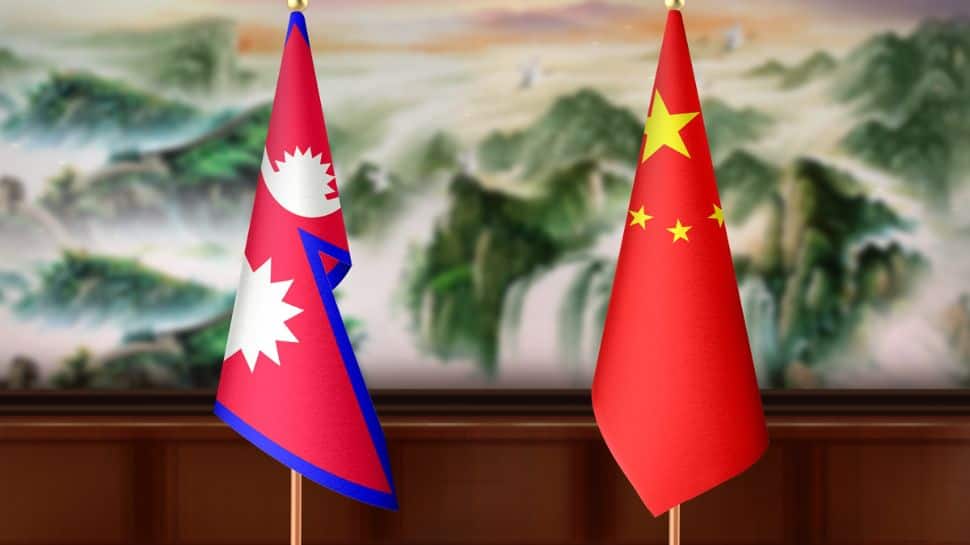
Nepal Sent Gifts to China: There was a time in Nepal’s history when the Himalayan kingdom was bound to send gifts to China every five years. These tributes were not tokens of friendship. They were symbols of subordination, reminders of a war that reshaped Nepal’s ties with Tibet and brought the Qing dynasty’s shadow deep into the region.
The story goes back to 1855-56. Nepal’s Gorkha army advanced into Tibet, seeking to expand influence and assert power. The campaign soon spiralled into conflict. Unable to withstand the pressure alone, Tibet leaned on China, which had long claimed suzerainty over the plateau. After months of clashes, both sides reached a peace settlement.
The treaty carried an unusual clause. Nepal would send a formal mission to China every five years. Along with the delegation, precious offerings had to be carried. Elephants, horses, wool, metals and rare goods formed part of the gifts. They were presented at the imperial court as acknowledgement of China’s supremacy over Tibet and, indirectly, Nepal’s acceptance of that order.
Qing Dynasty’s Grip
In the mid-19th century, China was ruled by the Qing dynasty. Its rulers wanted to safeguard their influence over Tibet. Every time a dispute flared between Tibet and Nepal, it was the Chinese viceroy who stepped in to mediate. The tribute system was a way to institutionalise that authority.
For Nepal, the missions were a burden. They cost wealth, manpower and above all, prestige. For a while, they remained unavoidable. To decline would have been seen as defiance against the Qing court, something Nepal was in no position to risk after the war.
Symbol Of Submission
The process was elaborate. A Nepali delegation would journey to Beijing, carrying animals and valuables. At the imperial court, the offerings were formally laid before the emperor’s representatives. The act had little to do with diplomacy or trade. It was designed to show Nepal’s deference and recognition of China’s overlordship in Tibet.
When It Finally Ended
The practice did not last forever. Records suggest Nepal dispatched its last tribute mission in 1865. After that, the arrangement lapsed. By then, the balance of power had shifted, and Nepal no longer accepted the burden of acknowledging subordination.
This chapter in Nepal’s history is often overlooked. It reveals how the Himalayan kingdom once found itself entangled in the great power games of Asia. The tribute missions to China stand as a reminder of how war, treaties and geopolitics shaped the sovereignty of smaller states caught between empires.