

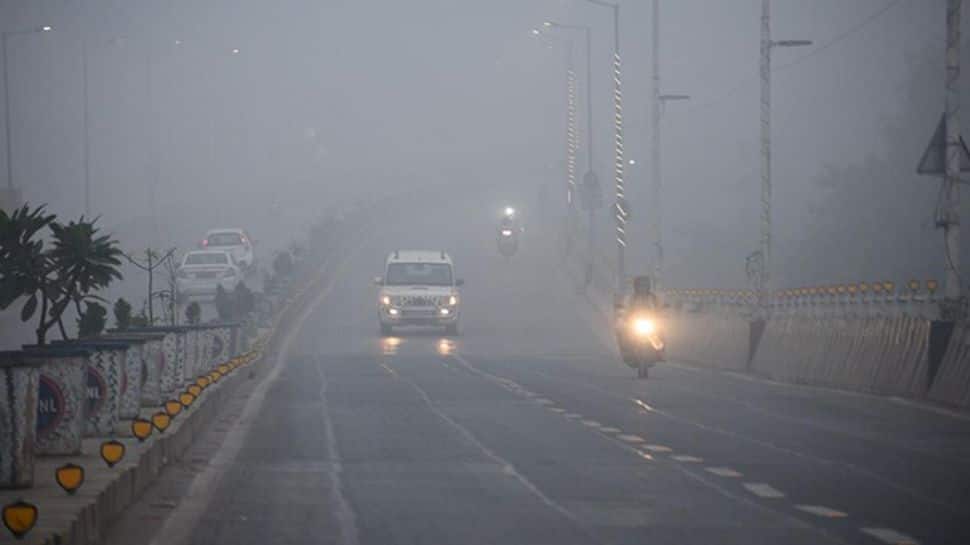
Pune: Meteorologists have issued a warning that India could experience a severe cold wave by the end of this year. The India Meteorological Department (IMD) attributes this to the possible resurgence of La Niña, a cooling phase of the El Niño-Southern Oscillation (ENSO) that influences global weather patterns.
While India avoided extreme heat this year, the upcoming winter is expected to bring unusually low temperatures, especially from December to January.
The US National Weather Service’s Climate Prediction Centre indicated on September 11 that there is a 71% probability of La Niña developing between October and December 2025. This probability slightly reduces to 54% from December 2025 to February 2026, though La Niña watch will remain in effect.
La Niña changes sea surface temperatures in the equatorial Pacific, triggering far-reaching impacts worldwide. For India, it is often linked to colder-than-average winters.
Post-Monsoon La Niña Likely
In its latest ENSO bulletin, the IMD highlighted that the equatorial Pacific currently remains in a neutral state – with neither La Niña nor El Niño conditions present.
Forecasts from the IMD’s Monsoon Mission Climate Forecast System (MMCFS) and other global models suggest that these neutral conditions will persist during the monsoon. However, the probability of La Niña emerging increases in the post-monsoon months.
A senior IMD official said, “Our models indicate more than a 50% chance of La Niña developing between October and December. La Niña usually correlates with colder winters in India. Climate change’s warming effect may offset some of this, but La Niña years are consistently colder than neutral years. Overall, this year may not rank among the hottest, as monsoon rainfall has already moderated temperatures.”
Expert Insights From Skymet Weather
G.P. Sharma, Chairman of private weather forecaster Skymet Weather, emphasises that short-term La Niña cannot be ruled out. “The Pacific Ocean is already cooler than normal, though not yet at La Niña thresholds. If sea surface temperatures drop below -0.5°C and persist for at least three consecutive quarters, La Niña will be officially declared,” he explained.
He also recalled that at the end of 2024, a similar situation occurred. From November to January, La Niña conditions briefly prevailed before returning to neutral.
Even without meeting strict thresholds, Sharma said, “Ongoing cool conditions in the Pacific can influence global weather. For India, this typically results in harsher winters and increased snowfall, particularly in northern plains and Himalayan regions. In the United States, authorities are already alert for dry winter conditions if La Niña occurs.”
India Weather Alert, La Niña 2025, Severe Cold India, Winter Forecast India, IMD Alert, Pune Weather, December Cold India, Himalayan Snowfall Forecast
India La Niña 2025, severe winter India, IMD weather alert, December cold forecast India, La Niña impact India, cold wave India 2025, northern India snowfall, extreme weather India