

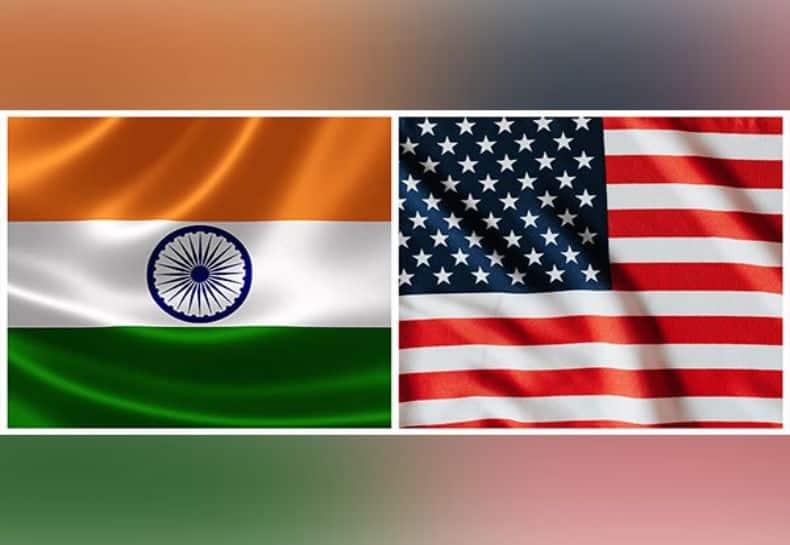
New Delhi/Washington: The much talked about trade talks between India and the United States, which have been underway for the past four months, have not made any breakthrough so far. The key obstacle lies in India’s refusal to accept several US demands related to agricultural imports, particularly in the dairy sector.
The United States is pushing for greater access to the Indian market for its dairy products, including milk, cheese and ghee. However, India has firmly opposed the entry of dairy products from cows fed with animal-based enzymes such as rennet, which is commonly derived from animal bones. These feed practices are routine in the United States and are aimed at enhancing nutritional value.
In India, milk from such cows is classified as “non-veg milk”, which raises religious and cultural objections. Being the world’s largest milk producer with millions of small farmers reliant on the dairy industry, India fears that cheap imports could severely impact rural livelihoods.
Beyond dairy, Washington is also seeking lower tariffs on wheat, rice, soybeans, maize, apples and grapes. India maintains high import duties on these products to protect its domestic farmers.
Another significant sticking point is genetically modified organisms (GMO). The world’s largest producer and exporter of GMO crops, the United States wants India to relax its restrictions. New Delhi currently allows only genetically modified cotton, banning other GMO crops due to concerns over health, environmental safety and sovereignty.
India is not alone in resisting these U.S. demands. Countries such as South Korea, Canada, Switzerland and Iceland have taken similar stands.
South Korea offers duty-free access to American goods under specific agreements but has refused to open its rice and beef markets fully. Though beef imports from cattle older than 30 months remain banned here due to fears of mad cow disease, South Korea remains a major buyer of US beef. It imports over $2.2 billion worth in 2024. Strict GMO regulations also remain in place.
Canada uses a supply management system for dairy, poultry and eggs, which limits production to match domestic demand, ensuring stable prices and preventing oversupply. Imports exceeding quotas face tariffs as high as 300%.
The United States imposed a 35% tariff on Canada recently, citing Ottawa’s recognition of Palestine as a separate state as the reason.
Switzerland faces a 39% U.S. tariff over a $45 billion trade imbalance. The Swiss government heavily taxes dairy and meat imports to protect local farmers. Around 25% of Swiss agricultural revenue comes from dairy, supported by government subsidies that also help preserve the environment.
Iceland, with a comparatively lower 15% U.S. tariff, enforces strict controls on foreign dairy and farm goods, offering subsidies to local farmers and limiting imports to safeguard food security.
For India and these nations, agricultural policies are about more than just trade. They are deeply connected to rural livelihoods, cultural values and national interests. These countries continue to resist Washington’s push to open their agricultural markets, highlighting the complexities of global trade negotiations.