

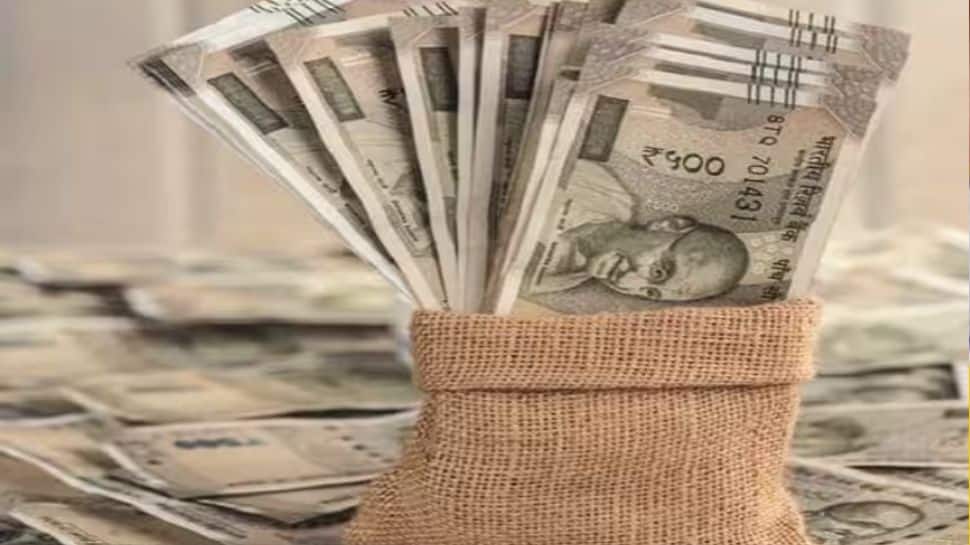
New Delhi: A US dollar may look the same everywhere, but its value changes depending on where you spend it. In some countries, it can buy you a full meal. In others, it won’t even get you a snack. Economists call this difference Purchasing Power Parity (PPP).
CA Nitin Kaushik explained it clearly on X: “That crisp US$1 looks the same everywhere, but what it can buy? Totally different story.”
What $1 Buys Around the World
India – A filling thali with rice, dal, vegetables, and roti (Rs 80–Rs 120).
Vietnam – A hot bowl of pho from a street vendor.
Mexico – At least two street tacos.
Thailand – A plate of pad Thai or mango sticky rice.
USA – Usually just a candy bar.
Switzerland – Almost nothing, as prices are very high.
In Mumbai, $1 can make you feel like a king. In New York, you’ll still be hungry.
How PPP Works
The IMF and World Bank use PPP to compare living standards across countries. Unlike normal exchange rates, PPP adjusts for cost-of-living differences.
For example, if a burger costs Rs 100 in India and $20 in the US, the PPP exchange rate is 5. That means $1 in the US equals Rs 5 in India in terms of buying power.
Because of this, India is ranked the third-largest economy in the world by PPP, behind only China and the US.
Why India Feels Affordable
For foreigners, PPP is easy to see in everyday life. Kristen Fischer, an American living in New Delhi, explained:
In the US, $10 may buy just one meal. In India, the same amount (Rs 800) buys several meals.
A haircut in India might cost Rs 100 ($1.25). In the US, it can be $40. That’s 34 haircuts in India for the price of one in America.
Yes, incomes in India are lower, but so are the costs of goods and services.
The Bigger Picture
Even though the rupee is weaker against the dollar this year, PPP shows another truth: money goes much further in India. Exports face challenges and tariffs, but affordability and domestic growth make India’s economy strong.
The Takeaway
PPP proves that money doesn’t have the same value everywhere. It’s not just about exchange rates—it’s about what you can actually buy.
For India, this means that even with lower incomes, people enjoy more value for their money. That simple $1 note is more than currency—it reflects the real cost of living across the world.