

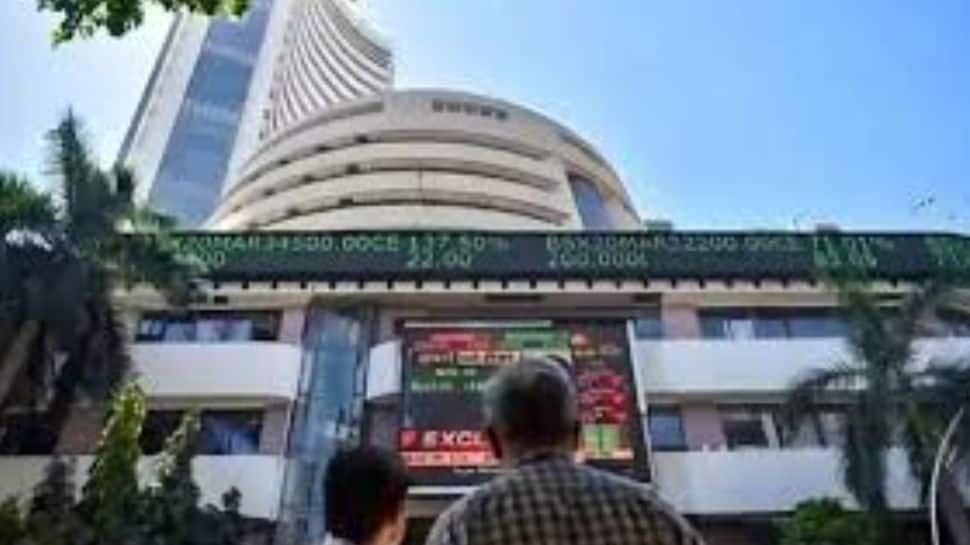
New Delhi: India’s stock market is facing a potential tidal wave of fresh equity supply, with an estimated USD 50–70 billion worth of shares expected to hit the markets over the next 12 months, according to Jefferies’ latest GREED & Fear report.
To put this in perspective, that’s nearly twice the annual equity inflow India received in 2019 and significantly higher than what domestic markets have historically absorbed.
What’s driving this surge? A mix of IPO pipelines, private equity exits, and promoter stake sales — all looking to capitalize while valuations remain high. With the MSCI India Index trading at 22x forward earnings (and 25x excluding financials), companies are eager to ride the valuation wave.
The concern lies in small- and mid-cap stocks, where valuations are frothier than ever. Many of the upcoming issuances are concentrated in these segments, raising questions about market depth and retail investor appetite amid a year already full of global and domestic uncertainties.
Despite the looming supply, markets have shown resilience, supported by India’s strong domestic investor base. Monthly SIP inflows have crossed USD 3 billion, and equity mutual fund flows reached USD 21 billion in the first five months of FY26 alone. Add USD 3 billion in net equity inflows in August, and markets seem somewhat insulated from oversupply. Yet Jefferies warns that the real test is still ahead.
Foreign institutional investors (FIIs) have been net sellers in recent weeks, placing the burden on Indian households to absorb the flood. While retail investors have so far kept pace, the question remains: can they handle USD 70 billion of fresh equity? Any slowdown in flows or a dip in sentiment could trigger volatility, especially in richly valued segments.
Jefferies notes that India’s equity depth has improved significantly since the pandemic. The growth in new demat accounts, deeper mutual fund penetration, and higher retail participation means the market is better prepared than before. Even so, a supply shock of this magnitude is rare, and it will test liquidity, investor confidence, and patience in the months ahead.