

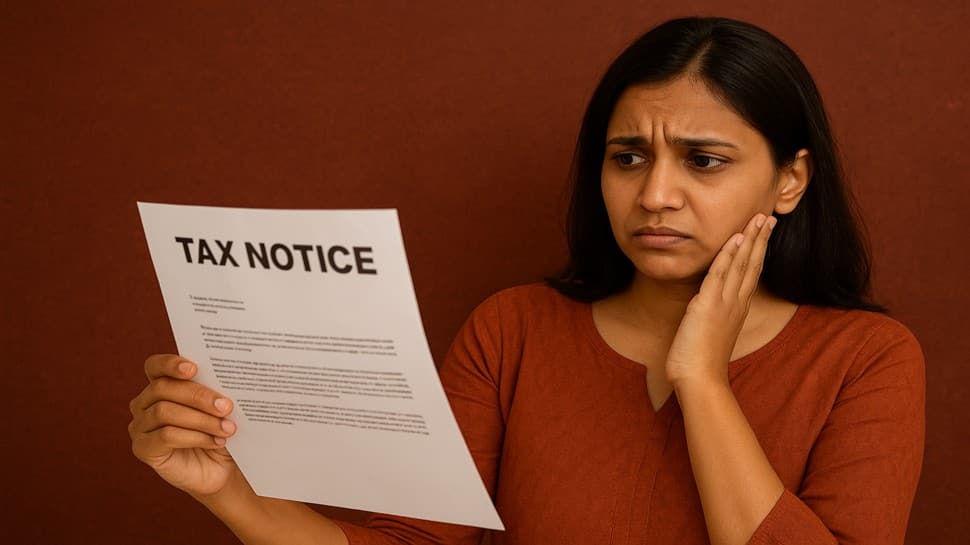
New Delhi: On August 4, 2025, the Bombay High Court ruled in favor of a woman who had been wrongly accused of possible tax evasion. Her husband had bought a flat in Mumbai worth Rs 6.75 crore entirely with his own money from his HDFC Bank account. He made her a joint owner only for convenience — she didn’t pay a single rupee towards the purchase.
Even though the property documents and the husband’s bank statements clearly showed he paid for it, the Income Tax Department still sent the wife a notice under Section 148 (reopening of assessment) claiming that her income might have escaped tax. Her annual income for that year was only Rs 4.36 lakh.
The wife explained to the department that she was a homemaker, the flat was her husband’s purchase, and her name was only added as a co-owner for convenience. But the Assessing Officer (AO) ignored her explanation and issued the notice anyway. Both she and her husband got similar notices for the same property purchase.
The High Court looked at all the documents and said there was no reason for the AO to believe that the wife’s income had escaped tax. Since the money came entirely from her husband, any tax questions should be asked in the husband’s case, not hers.
The judges also pointed out that a similar case (Kalpita Arun Lanjekar vs. ITO, 2024) had already established that when a husband pays for a property and adds his wife’s name just for convenience, the wife cannot be taxed for it. In that case, too, the court said that the source of funds should be examined in the husband’s assessment, not the wife’s.
In the end, the Bombay High Court cancelled the tax notice against the wife, calling it “wholly unsustainable.” The husband’s case is still pending.