

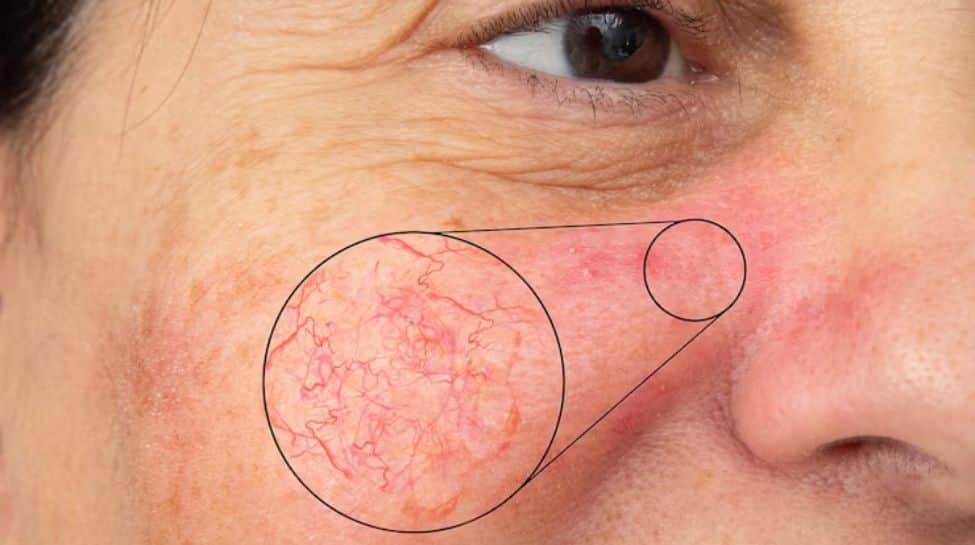
When we think about climate change, images of melting ice caps, rising sea levels, and extreme weather often come to mind. But there’s a more personal—and often overlooked—dimension to this global issue: your skin. Yes, the largest organ of your body is silently bearing the brunt of a changing climate. From increased UV radiation to humidity fluctuations, climate change is influencing skin health in subtle but significant ways.
Rising Temperatures and Skin Conditions
Global temperatures have steadily climbed over the past century, and with them, heat-related skin issues are on the rise. Prolonged exposure to higher temperatures can exacerbate conditions like:
- Heat rashes and hives: Sweat ducts can become blocked, leading to irritation and inflammation.
- Rosacea and eczema: These conditions are often aggravated by environmental stressors like heat and pollution.
- Acne flare-ups: Increased sweating can clog pores and worsen breakouts, especially in humid climates.
UV Radiation: The Silent Aggressor
As the ozone layer thins, more ultraviolet (UV) rays are reaching the Earth’s surface. This intensification of UV exposure accelerates:
- Skin aging: UV radiation breaks down collagen, leading to premature wrinkles, sunspots, and loss of elasticity.
- Skin cancer: Higher UV exposure increases the risk of all forms of skin cancer, including melanoma, one of the deadliest types.
- Photosensitivity: Certain medications and skincare products may make the skin more sensitive to sunlight, compounding the risks.
Air Pollution and Free Radicals
Industrial emissions, vehicle exhaust, and wildfire smoke are just a few examples of air pollution sources exacerbated by climate change. These pollutants are rich in free radicals, unstable molecules that damage skin cells, contributing to:
- Dullness and uneven tone
- Hyperpigmentation
- Chronic inflammation
Fine particulate matter can penetrate deep into the skin, disrupting the skin barrier and triggering or worsening conditions like psoriasis and dermatitis.
Water Stress: Too Much or Too Little
Climate change is causing more intense droughts in some areas and heavier rains in others. These water extremes influence skin hydration in surprising ways:
- Droughts and dry climates: Low humidity strips the skin of moisture, leading to dryness, flakiness, and increased sensitivity.
- Flooded, humid environments: Constant moisture can impair the skin barrier and promote bacterial and fungal infections.
Allergies and Sensitivities
Climate change also affects pollen production, with longer growing seasons and higher pollen counts. This can intensify allergic reactions, including skin allergies like contact dermatitis, which manifests as redness, itching, and swelling. Additionally, climate-induced changes in flora and fauna bring humans into contact with new allergens, irritants, and even disease vectors like mosquitoes—introducing new dermatological challenges.
What You Can Do: Protecting Your Skin in a Changing Climate
Despite the looming threats, you’re not powerless. Here’s how to keep your skin resilient:
- Use broad-spectrum SPF every day, even when it’s cloudy. Reapply every 2 hours if you’re outside.
- Cleanse thoroughly to remove pollutants and dirt, especially if you live in an urban area.
- Hydrate and moisturize to maintain a strong skin barrier—look for products with ceramides, hyaluronic acid, and niacinamide.
- Wear protective clothing like wide-brimmed hats and UV-blocking sunglasses.
- Invest in air purifiers if you’re in a high-pollution area or wildfire zone.
- Consult a dermatologist if you notice unusual changes in your skin or if you suffer from chronic skin issues.
(This article is intended for your general information only. Zee News does not vouch for its accuracy or reliability.)