

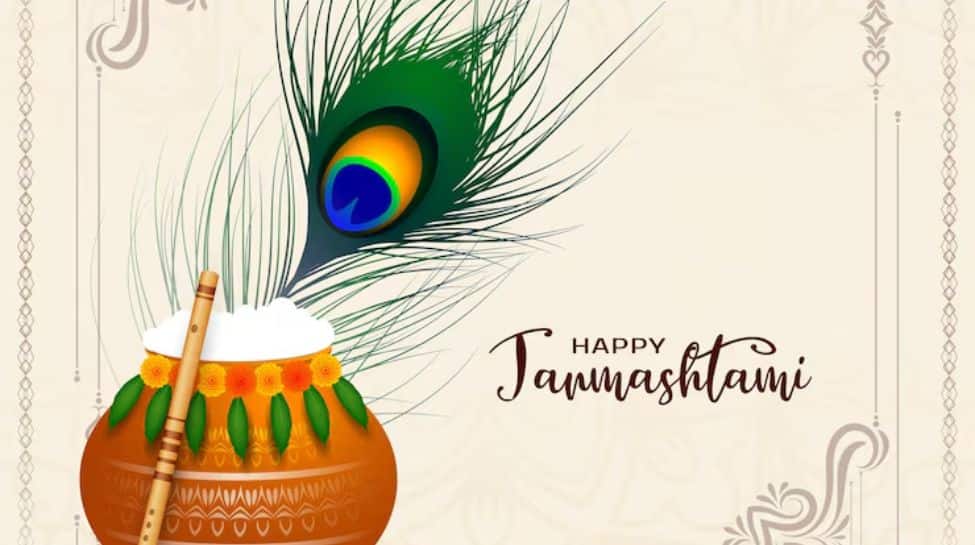
Janmashtami, the celebration of Lord Krishna’s birth, is one of the most vibrant and spiritually significant festivals in India and around the world. While devotees observe fasts, sing bhajans, and participate in midnight celebrations, many lesser-known aspects of this divine festival make it even more fascinating. Here are some unknown facts about Krishna Janmashtami that reveal the depth of tradition, culture, and devotion associated with the occasion.
1. Krishna Was Born at Midnight in Prison
Lord Krishna was born in Mathura, in a prison cell where his parents, Devaki and Vasudeva, were held captive by King Kansa. His birth at the stroke of midnight symbolizes the victory of light over darkness and good over evil.
2. Janmashtami Is Celebrated for Two Days
In many parts of India, Janmashtami is observed for two days. The first day is known as Krishna Jayanti or Gokulashtami, while the second day is called Dahi Handi or Nandotsav, symbolizing the joy and playful nature of Krishna.
3. Different Names Across India know the Festival
While North India calls it Janmashtami, in Maharashtra it is celebrated as Dahi Handi, in South India as Sri Krishna Jayanthi, and in Gujarat as Makhan Handi. Each region has its traditions and unique ways of honoring Krishna.
4. Fasting on Janmashtami Is Different from Usual Vrats
Devotees usually fast until midnight, breaking it only after Krishna’s birth is celebrated with special prayers and rituals. Instead of regular food, people often consume satvik items like fruits, milk, and butter – Lord Krishna’s favorite.
5. Dahi Handi Has a Historical Connection
The popular tradition of Dahi Handi, where groups of young men form human pyramids to break a pot of curd hung high, reflects Krishna’s childhood mischief of stealing butter and curd from the houses of Gopis. It has now become a competitive cultural event in Maharashtra.
6. ISKCON Temples Celebrate It Grandly Worldwide
From Vrindavan to New York and London, ISKCON temples host grand celebrations with bhajans, raas-leela performances, and midnight aarti. Devotees across the globe gather to chant the Hare Krishna Mahamantra on this auspicious night.
7. The Bhagavad Gita Is Recited on Janmashtami
Many devotees spend the day reading or listening to passages from the Bhagavad Gita. Since Krishna is the speaker of this sacred text, reciting it on his birthday is considered highly auspicious.
8. Special Jhankis Depicting Krishna’s Life Are Created
Temples and homes often set up miniature models or jhankis that depict scenes from Krishna’s life—his birth, childhood leelas, Govardhan lifting, and Raas-leela. These displays are both devotional and educational.
9. Janmashtami Is Not Just About Devotion but Also Community Bonding
The festival brings people together through cultural performances, devotional singing, and group celebrations. It strengthens the sense of unity, joy, and shared spirituality in communities.
10. The Butter Connection Is More Than a Myth
Krishna’s love for butter isn’t just a childhood tale—it symbolizes simplicity, purity, and the essence of nourishment. That’s why butter and milk-based sweets like makhan misri and panjiri are offered as bhog on Janmashtami.
(This article is intended for your general information only. Zee News does not vouch for its accuracy or reliability.)