

Written by: Vishal Bhardwaj, Rohan Narula
Directed by: Vishal Bhardwaj
Cast: Shahid Kapoor, Triptii Dimri, Disha Patani, Avinash Tiwary, Tamannaah Bhatia, Nana Patekar, Randeep Hooda, Gourav Sharma
Duration: 2 hours 57 minutes
Rating: 4/5
O’Romeo review: The highly anticipated gangster drama starring Shahid Kapoor and Triptii Dimri hit theatres today, February 13, amid sky-high expectations and intense buzz surrounding its release.
With director Vishal Bhardwaj and Shahid Kapoor previously delivering acclaimed collaborations like Kaminey and Haider, expectations from this latest outing are naturally high. The weight of their successful track record adds pressure on this gritty love story to deliver something equally powerful. Read on to find out whether O’Romeo lives up to the promise.
Shahid Kapoor and Triptii Dimri Lead Dark, Gritty Thriller
O’Romeo arrives with the bold claim of being “inspired by true events,” bringing together Shahid Kapoor and Triptii Dimri under the direction of Vishal Bhardwaj. Drawing thematic inspiration from S. Hussain Zaidi’s book Mafia Queens of Mumbai, the film builds a fictionalised crime saga set in the murky underbelly of Mumbai. This marks the fourth collaboration between Bhardwaj and Shahid, and that creative familiarity shows in the film’s textured storytelling and brooding tone.
About O’Romeo
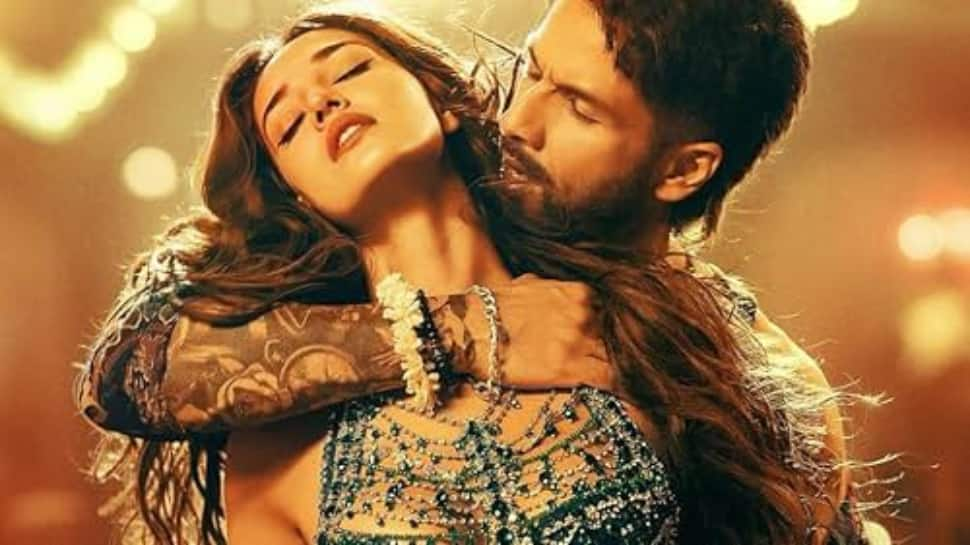
Shahid plays Ustara, a contract killer desperate to leave behind a life soaked in blood. His performance is intense yet restrained, capturing the exhaustion of a man trapped by his own reputation. Triptii Dimri’s Afsha is fragile but fierce, and her quiet strength balances Shahid’s simmering aggression beautifully. When Afsha hands Ustara a supari to eliminate four men, the narrative shifts gears, unfolding into a tense chain of betrayals, confrontations and moral dilemmas.
‘Inspired by real-life events’
O’Romeo, directed by Vishal Bhardwaj, is a fictionalised crime drama inspired by the real-life underworld figures Hussain Ustara and Sapna Didi, whose stories were documented in S. Hussain Zaidi’s book Mafia Queens of Mumbai. Starring Shahid Kapoor as the contract killer Ustara and Triptii Dimri as Sapna, the film does not attempt to be a faithful biopic. Instead, it takes a liberated, cinematic approach, blending fact with fiction and adding dramatic layers to craft a gripping narrative that prioritises emotion and intensity over strict historical accuracy.
One of the film’s biggest strengths is its music. The use of the iconic “Dhak Dhak Karne Laga” during an early fight sequence inside a theatre is an amazing cinematic choice. The violence doesn’t explode all at once; it grows gradually. The screenplay tightens as the story progresses, and the action sequences gain emotional weight.
A Gradual Build-Up
The first half moves at a slightly slow pace, but it carefully establishes the world and its characters. Every scene darkens the mood a little more, subtly pulling the audience deeper into its grim reality. Cameos by Vikrant Massey come as surprises, though Massey’s brief appearance feels underutilised and doesn’t significantly impact the narrative. Avinash Tiwary, as Jalal, introduced just before the interval, brings a controlled menace that elevates the second half as his face-off with Ustara becomes inevitable.
There are minor drawbacks. The frequent use of obscene language, while perhaps realistic for a gangster drama, feels excessive at times. The pacing demands patience, and the film’s length may test some viewers.
The second half shifts gears into a far more action-driven and emotionally explosive territory. While O’Romeo may not reinvent the gangster genre, it delivers enough intensity and atmospheric depth to justify a big-screen watch. Like Gangubai Kathiawadi, which was also inspired by Zaidi’s book, this film takes creative liberties rather than presenting a strict biopic.
Final Verdict
In the end, it is the performances that stay with you. Shahid Kapoor commands the screen with raw intensity, Triptii Dimri brings emotional importance, and Avinash Tiwary adds quiet but effective menace. O’Romeo thrives on mood, music and performance.