

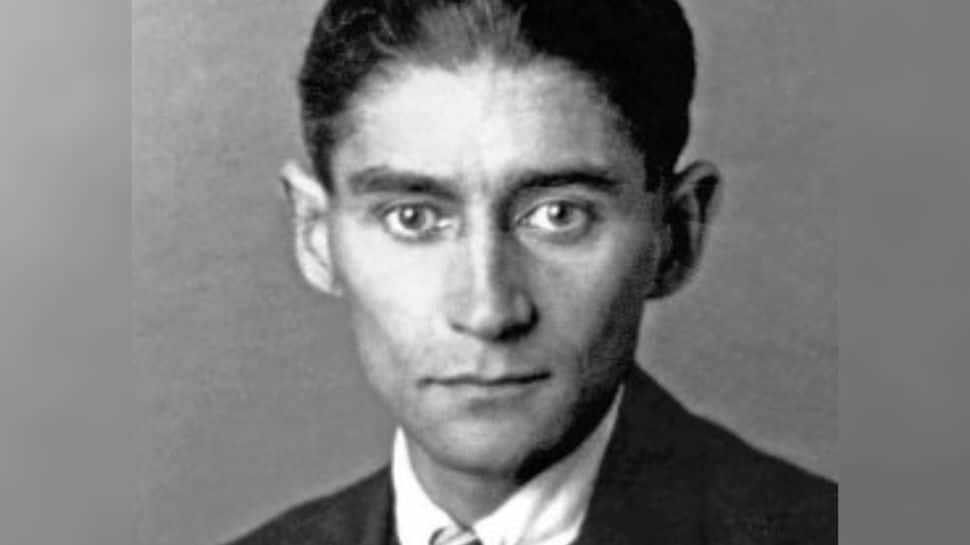
Franz Kafka is regarded as one of the most influential and enduring writers of modern literature. His stories continue to shape readers across generations. Kafka’s quotes often strike deeply and resonate with universal human emotions.
Most of Kafka’s writings emerged during a period of anxiety and transition in Europe, yet his reflections on life, youth, and human existence still connect powerfully with people today.
Quote of the Day
“Men can only be happy when they do not assume that the object of life is happiness.”
Meaning of the Quote
This quote suggests that people find true happiness only when they stop making happiness the sole purpose of life. When someone believes they must be happy all the time, they become anxious and disappointed whenever life brings struggle, pain, or failure, experiences that are natural and unavoidable.
Instead, the quote encourages people to focus on living with purpose, fulfilling responsibilities, and accepting both joy and suffering as parts of human existence. When happiness is no longer chased as a constant goal, it arises naturally as a by-product of meaningful living.
In simple terms, people discover real happiness when they stop obsessing over it and begin to live authentically and purposefully. Constantly questioning whether one is “happy enough” only creates pressure and dissatisfaction.
Who Was Franz Kafka?
Franz Kafka was a German-speaking Jewish writer from Prague whose works explore themes of alienation, absurdity, and the crushing weight of bureaucracy. His best-known works include the novella The Metamorphosis (1915) and the novels The Trial (1924) and The Castle (1926).
Born into a middle-class German- and Yiddish-speaking Jewish family in Prague, Kafka trained as a lawyer and later worked in legal and insurance jobs while continuing to write.
He is famous for inspiring the term “Kafkaesque,” used to describe nightmarish, illogical, and oppressive situations. His writing is often seen as prophetic in its exploration of modern anxiety, powerlessness, and existential dread.
Kafka’s work continues to resonate because it captures universal feelings of isolation and helplessness in the face of overwhelming systems, making his strange and unsettling worlds feel disturbingly familiar to readers even today.