
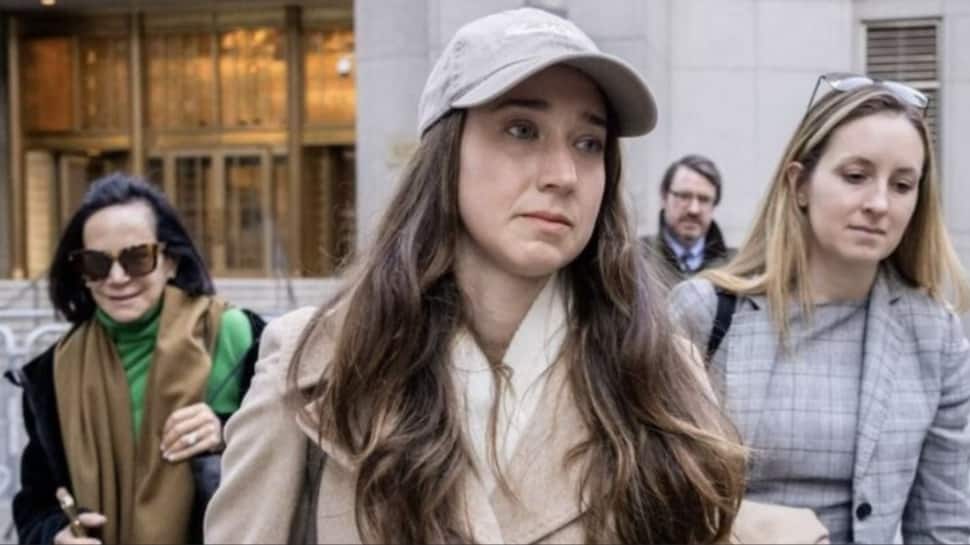
Charlie Javice, the 32-year-old founder of the financial aid startup Frank, has been sentenced to seven years in federal prison for defrauding JPMorgan Chase ($175 million) when the bank acquired her company in 2021. Javice, once celebrated on Forbes’ “30 Under 30” list, was convicted of masterminding a scheme that vastly inflated her company’s customer base.
The Scale Of The Deception
In March, Javice was found guilty of conspiracy, wire fraud, and bank fraud after creating documents to make it appear that Frank represented more than 4 million customers when in fact there were less than 300,000. Her sentence of imprisonment, which was issued by US District Judge Alvin Hellerstein, will be followed by three years of supervised release.
Judge Hellerstein recognized the magnitude of the fraud, writing that the crimes “involved a great deal of duplicity.” But he also faulted JPMorgan Chase for not doing its proper due diligence when it bought the company.
“They have a lot to blame themselves,” the judge said of the bank, adding that he was “punishing her conduct and not JPMorgan’s stupidity.” Javice was originally arrested in 2023 and has been out on $2 million bail.
From Wharton Grad to Felony Fraudster
Charlie Javice, a University of Pennsylvania Wharton School of Business graduate, launched Frank in 2017. The digital platform was designed to streamline the complicated Free Application for Federal Student Aid (FAFSA) process.
Albeit having earlier come under scrutiny from the US Department of Education in 2017 for deceiving consumers regarding Frank’s government connections, the company obtained support from high-profile venture capitalists and the company’s profile increased significantly. Javice was included on Forbes’ “30 Under 30” list in 2022, solidifying her place as a fintech star-in-the-making just prior to her fraud being exposed.
How Javice Duped America’s Largest Bank
The deceit focused on inflating Frank’s alleged “users” when she sought to make a sale in 2021. Javice consistently informed interested banks, including JPMC, that Frank had 4.25 million users, clearly defined as individuals with a minimum of four types of data on record (name, email, phone number, etc.).
When JPMC tried to validate this assertion, the US State Attorney’s office explained that Javice had a data scientist design a synthetic data set. She then presented this false data, with more than 4.25 million rows, to a third-party vendor to trick the bank into thinking the customer numbers were real, prompting the $175 million purchase.
ALSO READ | Greta Thunberg Detained? Israeli Military Boards Gaza Aid Flotilla In International Waters | VIDEO