

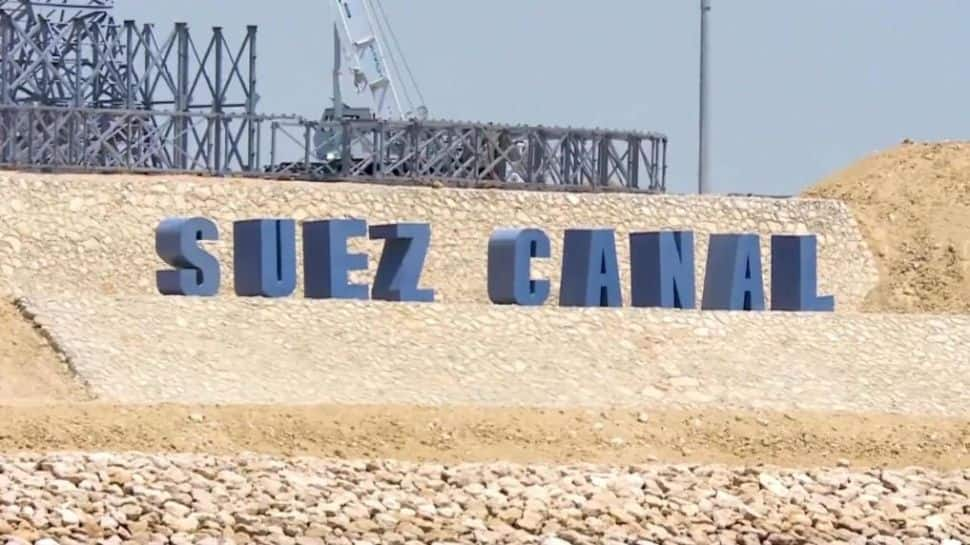
Beijing: China is moving to the next stage of its global power ambitions. After cementing its place as a military and economic heavyweight, Beijing is now preparing to carve out a land-based transport corridor being – which is being described as a ‘Suez Canal on land’. The project aims to connect Asia and Europe through high-speed freight routes. The biggest beneficiary will be East Asia, where manufacturing is booming alongside China’s industrial rise.
At the centre of this plan lies Chongqing, a mountainous city that has been transformed into a logistics nerve centre. Already plugged into rail lines that run to Europe, Chongqing dispatches regular freight trains to destinations in Germany, Poland and beyond. The Chinese government believes the city can evolve into the most important logistics hub in all of Asia.
According to the South China Morning Post, Chongqing has gained recognition as a strategic node in China’s expanding trade network. If this model proves effective, Beijing plans to replicate it across the country’s western regions.
Today, hundreds of shipments move through Chongqing daily, linking Southeast Asian countries such as Vietnam and Singapore with Europe through fast rail corridors.
A Faster Clock For Global Trade
Transporting goods by land trims shipping times by 10 to 20 days compared with traditional sea routes. Customs procedures are also easier to manage along these corridors.
The launch of the ASEAN bullet train in 2023 has reduced the freight journey between Hanoi and Chongqing to just five days. That means goods can now reach Europe in two weeks. By sea, the same cargo would take no less than three weeks.
Why Chongqing?
The choice of Chongqing is deliberate. The city already stands tall as a manufacturing giant. Nearly one-third of the world’s laptop makers have rolled out of their factories here. It also serves as a major hub for electric vehicle production. In addition, about a quarter of all cars exported from China originate here.
The combination of industry, infrastructure and geography has turned Chongqing into a natural choice for Beijing’s mega-project.
More Than Trade
Experts suggest the project is not only about economics. It also carries strong geopolitical undertones. With the US–China trade war dragging on under President Donald Trump’s leadership, Washington has tightened its watch over global sea chokepoints, including the Suez Canal, the Strait of Hormuz and the Strait of Malacca.
If the United States were ever to block these arteries, China would face massive disruption in its imports and exports. By building this overland corridor, Beijing ensures it has an alternative lifeline for global trade that cannot be easily cut off.