

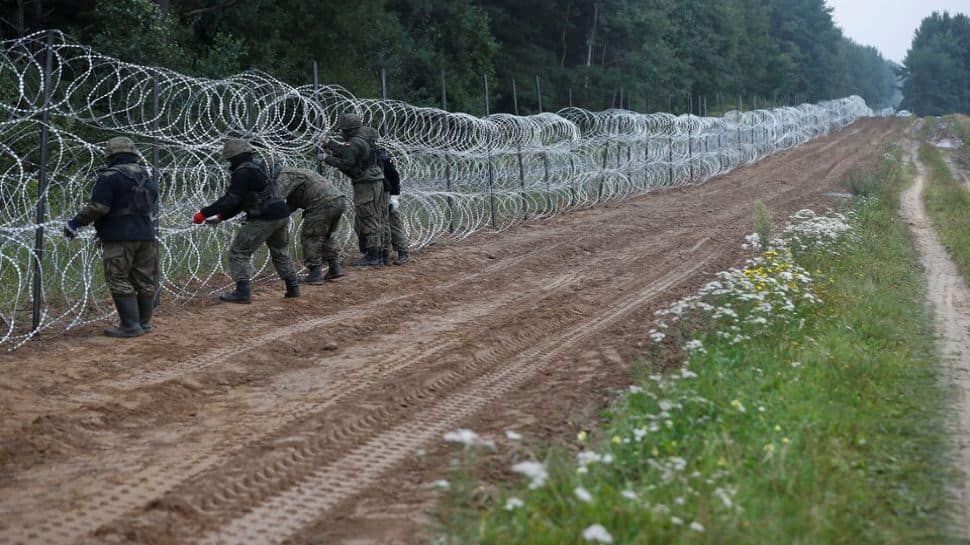
Brussels/Warsaw/Helsinki: As the Russia-Ukraine war alters military strategies, nations across Europe are revisiting centuries-old defenses. Patrols are increasing, NATO-style forces are being strengthened and countries along Russia’s borders are taking extraordinary steps to secure their frontiers. Finland and Poland are leading the charge, turning to a natural and time-tested barrier called peatlands.
Nearly three years ago, Ukraine shocked the world. Kyiv detonated a dam north of the city, flooding hundreds of villages. The aim was to create marshy terrain that Russian forces could not cross. Known as the peatland defense system, this centuries-old strategy transformed rivers and wetlands into lethal obstacles.
Now, Finland and Poland are adopting the same strategy. Both countries share long land borders with Russia and fears of an invasion push them to fortify their terrain.
Finland alone has a 1,500-kilometre border to guard. The peatland defense system is simple but effective. Saturated soil and plant matter create ground that is nearly impossible for infantry, vehicles and artillery to traverse. Indian kings once flooded lands around their forts for similar defensive purposes.
History has proven the power of peatlands. During World War II, northern and eastern Europe’s marshlands, especially in Finland, Poland and Soviet territories, stopped armies in their tracks. German forces advancing on the USSR in 1941 under Operation Barbarossa struggled through the deep and unstable marshes of Belarus and northwestern Russia. Tanks sank, artillery bogged down, soldiers marched miles through mud and logistics collapsed. Marshy terrain turned the tide of battles without firing a single shot.
Peatlands form naturally over centuries. Dead plants, trapped water and oxygen-poor conditions slowly create thick and spongy layers. Modern scientists now attempt to recreate this naturally slow process artificially.
Countries, including Germany, Finland, Scotland and Indonesia, have launched peatland restoration projects. Dams, soil irrigation and specialised vegetation help revive old or dried-out marshes. These projects also capture carbon, reduce flood risks and preserve water, offering both strategic and environmental advantages.
Europe drained many peatlands for farming and cities in the 18th and 19th centuries, creating fertile soil but damaging ecosystems. Rising temperatures and dry land followed.
Finland and Poland are now reversing that centuries-old approach, reviving wetlands along borders with Russia and Belarus to create natural and defensive landscapes.
In Finland, experts map areas along the eastern border where drained soil can be re-flooded to form new peatlands. Poland focuses on its eastern border with Belarus and Russia, strengthening defenses while aiming to restore as much marshland as possible in the coming decades.
The initiative serves dual purposes: secure borders against potential aggression and combat climate change. Revived peatlands trap carbon, store water and create terrain that no conventional military machinery can cross easily.
Europe’s new-old defense system is quietly taking shape, proving that natural landscapes still hold immense strategic power in the 21st century.