

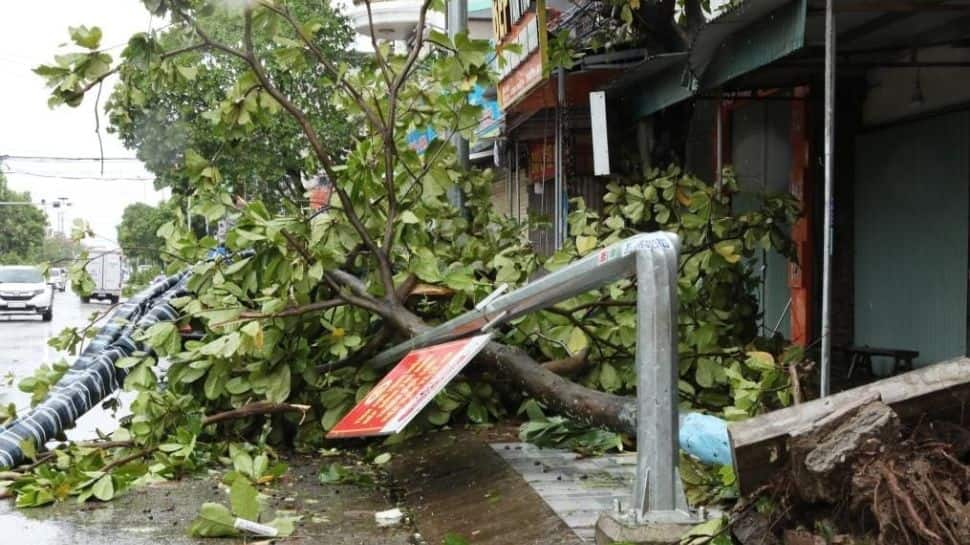
The death toll from Typhoon Bualoi and the floods it triggered in Vietnam has risen to 19, with 88 others injured, local media reported on Tuesday. Thirteen people are still missing, while eight remain out of contact, according to Xinhua, quoting the Vietnam News Agency.
The storm has caused widespread damage, destroying or damaging over 105,000 homes. Central Ha Tinh province was the hardest hit, accounting for more than 78,800 of the affected houses.
Vietnamese Prime Minister Pham Minh Chinh has urged local authorities to take immediate action to support residents, provide relief, and mitigate further damage caused by the typhoon.
Below are the visuals highlighting the damage caused by disaster
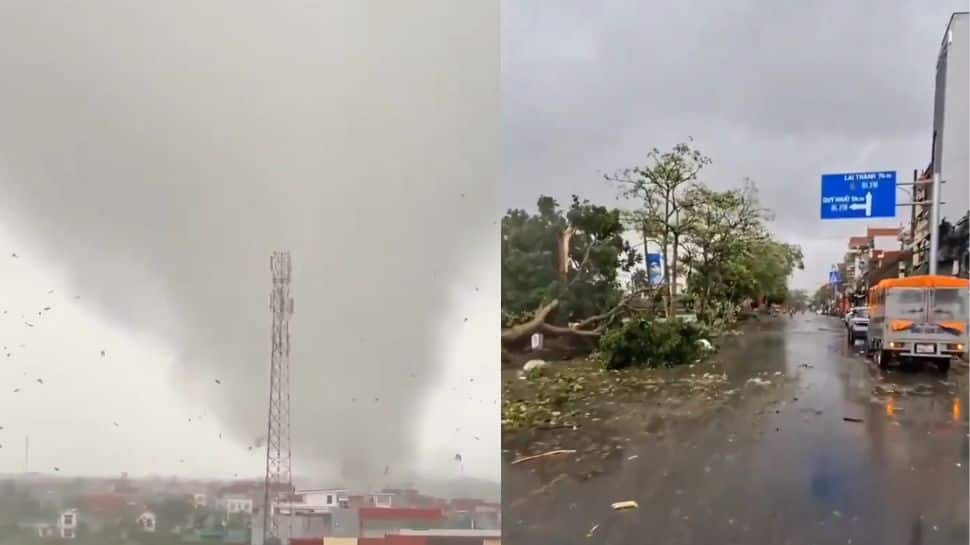
Vietnamese Prime Minister Pham Minh Chinh expressed his heartfelt condolences to families affected by Typhoon Bualoi, as well as to local authorities and communities enduring severe losses.
He directed officials in multiple provinces, including Ha Tinh, Quang Tri, Hue, Da Nang, and others, to quickly deploy teams and vehicles to reach isolated areas, repair damaged homes, provide shelters, and deliver essential supplies. He also ordered that schools and medical facilities damaged by the storm be restored by October 5.
The National Centre for Hydro-Meteorological Forecasting has warned that flash floods and landslides may continue over the next two to three days, urging residents to remain cautious.
Rainfall in several parts of Vietnam has exceeded 300 millimetres in the past 24 hours, the national weather agency reported, with heavy showers expected to continue, including in the capital, Hanoi. Strong winds and lightning are also possible.
Several villages in northern central Vietnam remain flooded, with power and traffic still disrupted, state media said.
Bualoi is the second major storm to hit the region this week, following Typhoon Ragasa, which killed at least 28 people in the northern Philippines and Taiwan before reaching China and weakening over Vietnam.
Experts say climate change is making storms like Bualoi stronger and wetter, as warmer oceans fuel more intense winds, heavier rainfall, and shifting weather patterns across East Asia.
With Inputs From IANS