

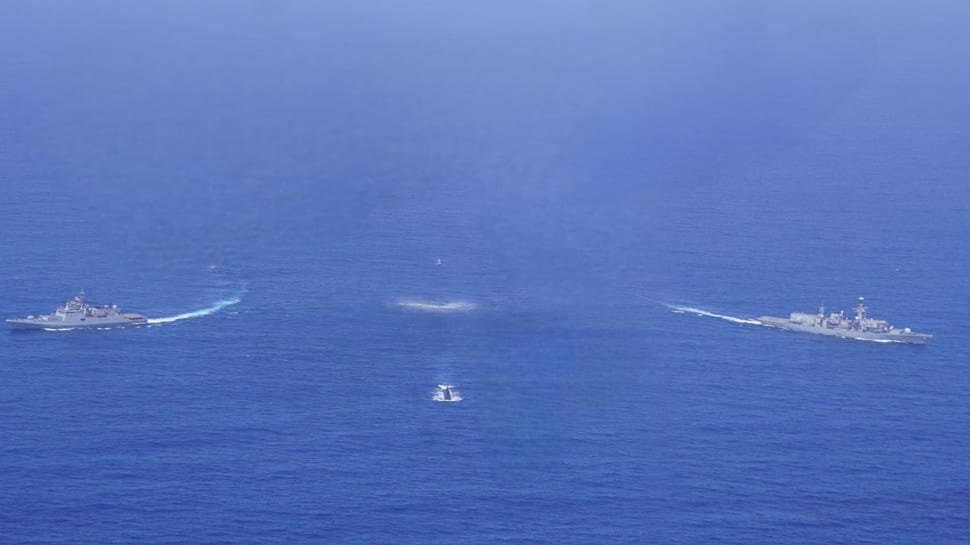
Amidst regional turmoil and Somalia’s ongoing internal fragility, Mogadishu signed a new defence pact with Pakistan on August 28, 2025. The five-year agreement is meant to strengthen Somalia’s naval and maritime capacity. The deal will see Pakistan train Somali officers, give counter-terrorism and peacekeeping lessons, and also help upgrade old military gear. It also includes support for the Somali Navy, setting up new units, and working together on patrols and anti-piracy efforts. A joint committee will meet every year to review progress, and the pact could even lead to wider cooperation with Turkey in the Horn of Africa.
But what looks like a boost for Somalia’s weak armed forces also comes with risks. Pakistan’s record on defence deals is marred by corruption, most famously the Agosta submarine scandal of the 1990s, when it bought three submarines from France in a deal worth about €826 million. Investigations in France and Pakistan later showed that large sums were taken as bribes for officials and middlemen. The case dragged on in courts for years, caused political trouble, and even led to claims that unpaid bribes were connected to the 2002 bombing of French engineers in Karachi.
The Agosta scandal was not an isolated incident. Pakistan’s defence deals have long been criticised for being murky. Auditors have flagged issues such as contracts awarded without competition and money paid out before equipment was delivered. Even newer projects, like the Hangor-class submarines with China, have faced delays, technical troubles, and little clarity on costs. Questions over money and oversight continue to hang over Pakistan’s naval modernisation.
Pakistan’s history should worry Somalia. It is well-known that the country’s defence institutions are weak. There is little to no external audit or parliamentary oversight of military expenditure. An issue as serious as defence procurement is often handled informally. Additionally, there are hardly any mechanisms to prevent conflicts of interest or to ensure open competition. Most importantly, decades of reliance on external partners and donors have fostered a dependence that leaves gaps in accountability. Even as Somalia’s long experience with arms embargoes has normalised special exemptions that can easily be exploited, the MoU with Pakistan, by giving Islamabad a direct role in Somali training, naval assistance, and equipment upgrading, risks importing not just technical expertise but also the corruption culture that has plagued Pakistan’s own navy.
If shady middlemen and secret deals take over this agreement, Somalia could end up paying too much, losing money, and weakening public trust. Foreign donors, who already keep Somalia’s budget and security afloat, might step back if they see funds being wasted—at a time when the economy is already fragile. Worse still, corruption scandals could sap the already fragile legitimacy of the Somali state and undermine the operational effectiveness of its armed forces, leaving vessels unmaintained and units under-equipped despite large expenditures on paper.
For Somalia, the defence pact with Pakistan is therefore a double-edged sword. It offers a chance to build capacity in maritime security, counter-piracy and counter-terrorism, but it also opens the door to practices that have tainted Pakistan’s military procurement for decades. Unless Mogadishu insists on transparency, strict oversight, and accountable financial procedures, this cooperation risks becoming less a path to stability and more a replay of the Agosta scandal—this time in the waters off the Horn of Africa.