

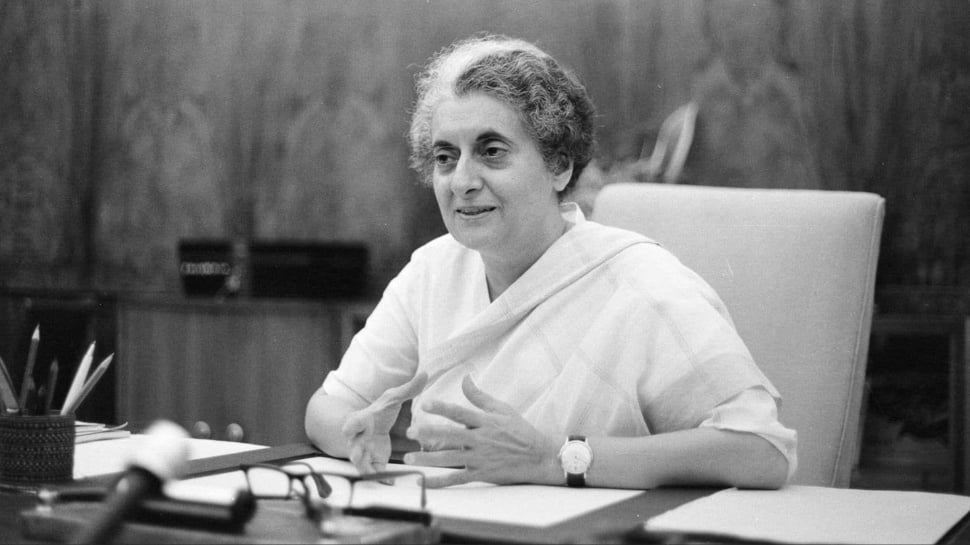
A former CIA counterproliferation officer named Richard Barlow has disclosed that a secret joint operation proposed by India and Israel to bomb Pakistan’s clandestine Kahuta nuclear facility in the early 1980s was ultimately spiked by then-Prime Minister Indira Gandhi. Barlow described the rejection by Gandhi to approve the strike as a “shame” that prevented a solution to long-term regional instability.
Barlow said during an interview that, during the height of A.Q. Khan’s nuclear ambition, a plan discussed at the high level of intelligence circles never materialized. He worked in American intelligence.
The Proposed Covert Operation
Declassified accounts indicate that the pre-emptive air strike was allegedly planned on the heels of Israel’s successful 1981 strike against Iraq’s Osirak reactor.
Target: Pakistan’s Kahuta uranium enrichment plant, which was the core facility for Islamabad’s nuclear weapons program.
Objective: To prevent Pakistan from attaining a nuclear weapon capability and to halt any proliferation of the technology, especially to countries like Iran.
Commenting on the lost opportunity, Barlow says, “It’s a pity that Indira didn’t clear it; it would have solved a lot of problems.”
US Opposition and Pakistan’s Leverage
He went on to suggest that any such strike would have faced stiff opposition in the United States under President Ronald Reagan, particularly if Israel was involved
Afghan Conflict: The then administration of the US relied heavily on Pakistan for its covert war against the Soviet Union in Afghanistan. Any discomfort to this already fragile relationship was considered detrimental to this particular Cold War strategy.
“Blackmail” Strategy: Barlow says Pakistan’s leadership, including former PAEC head Munir Ahmad Khan, used that dependency as a bargaining chip. Apparently, they threatened US lawmakers that any cutoff in aid flows would affect cooperation in Afghanistan.
Reagan’s Position: Barlow said that Reagan would have reacted severely to any Israeli involvement in the strike, saying it “would have interfered with the Afghan problem.” The Kahuta facility, spearheaded by A.Q. Khan, would eventually enable Pakistan to stage its first atomic tests in 1998-a goal the covert plan of the 1980s was supposed to thwart.
ALSO READ | Five Indians Kidnapped In Mali By Gunmen; Terror Link Suspected Amid Al Qaeda Unrest