

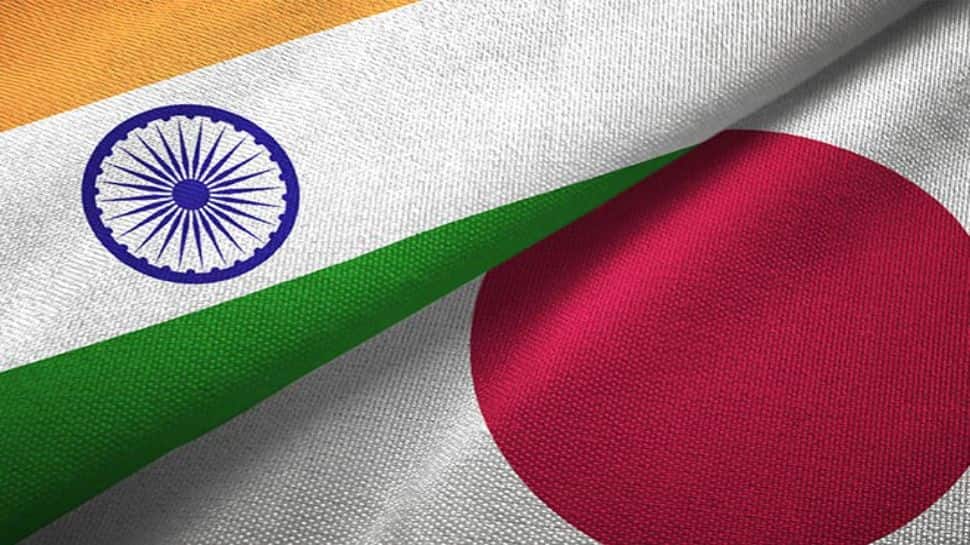
New Delhi: Prime Minister Narendra Modi is on his way to Japan for a two-day official visit (August 29-30), his eighth trip to the country as prime minister. His itinerary includes the 15th Annual India-Japan Summit in Tokyo, where he will hold bilateral talks with Japanese Prime Minister Shigeru Ishiba. This visit marks another chapter in a long and evolving relationship that stretches from ancient spiritual ties to strategic defence partnerships and economic cooperation.
As India and Japan come together once again at the leadership level, it is worth asking: how deeply has Japan entered Indian lives? From high-speed trains and hybrid cars to cartoons and cuisine, Japanese influence is firmly embedded in the Indian lifestyle.
Cultural Bridges
India and Japan share a cultural history going back more than a thousand years. In the 6th century, Buddhism made its way to Japan, leaving a lasting impact on its spiritual and artistic landscape. Even today, Japanese temples, traditions and Buddhist imagery reflect this Indian connection.
In the present day, that cultural bridge has taken on a modern form. Better known as anime, Japanese animation has found a massive fanbase in Indian households. Characters such as Doremon, Shinchan and Pokémon are now a part of everyday childhood in India.
ALSO READ: Why Modi’s Two Days In Japan Could Redefine The Next Decade For India
The popularity of these cartoon shows has consistently driven up TV ratings in the country and cementing Japan’s influence on Indian pop culture.
It is not only children who are captivated. Teenagers and adults alike have embraced anime, cosplay, manga and Japanese storytelling as part of their entertainment routine.
Made In Japan, Loved In India
The bond between India and Japan extends well beyond culture. Japanese products are synonymous with quality, innovation and longevity. Indian consumers have welcomed them with open arms.
Automobiles: Brands like Toyota, Nissan, Honda and Suzuki have become household names in India. Maruti Suzuki, in particular, has a place in almost every Indian family garage.
Electronics: Sony, Panasonic, Toshiba and Hitachi once ruled the Indian electronics market with TVs, cameras, sound systems and air conditioners. Even today, Japanese tech is seen as a mark of reliability.
Gaming and Tech: Nintendo and Sony PlayStation remain favourites among Indian gamers, especially among millennials and Gen Z.
Cuisine and Culture: Japanese food like sushi and ramen has made its way into Indian cities. Sushi bars and ramen kitchens are now part of the urban dining experience in cities such as Mumbai, Delhi, Bengaluru and Hyderabad.
A Bond Forged In Diplomacy And Trust
India and Japan formalised their diplomatic ties in 1952. Back then, New Delhi supported Tokyo’s reintegration into the global community following World War II. That early gesture set the tone for decades of goodwill.
In 2001, Prime Ministers Atal Bihari Vajpayee and Yoshiro Mori elevated the relationship to a ‘Global Partnership’. By 2006, the two nations began viewing each other as strategic partners.
Since 2014, under PM Modi and the late Shinzo Abe, the bilateral relationship has reached new heights in diplomacy, defence and development.
What India Buys From Japan
Japan is among India’s most important trading partner. It exports automobiles, auto parts, electronics, industrial machinery and steel products to India.
In return, India ships petrochemicals, cotton, iron ore, gems and seafood to Japan.
ALSO READ: Japan Scraps US Trip Last Minute Ahead Of PM Modi’s Upcoming Bilateral Summit
According to a 2024 data, bilateral trade between the two nations stood at approximately $21 billion, India’s exports to Japan reached $6.7 billion and India’s imports from Japan was recorded at $13.14 billion. The trade gap remains a concern, but steps are being taken to restore balance.
Where Japan Invests In India
Japan is one of the largest investors in India’s infrastructure and manufacturing sectors. The Ahmedabad-Mumbai Bullet Train Project, powered by Japanese Shinkansen technology, is a flagship example. It is one of the largest high-speed rail ventures in India, backed by Japanese funding and engineering expertise.
Designed to boost industrial output and urbanization, the Delhi-Mumbai Industrial Corridor (DMIC) has seen heavy Japanese involvement.
Japan is also actively engaged in metro rail projects across major Indian cities and continues to invest in sectors such as auto manufacturing, renewable energy and smart cities.
A Growing Defence Partnership
Apart from business, defence and security form a critical part of the India-Japan partnership. Both nations participate in the Malabar Naval Exercises alongside the United States and Australia, highlighting their alignment in the Indo-Pacific region.
With China expanding its footprint in the Indian Ocean and Pacific waters, India and Japan have found common ground in building maritime strength and strategic depth.
Language, IT And Yoga
This partnership is not only between governments. It is also between people. Thousands of Indian IT professionals and yoga instructors live and work in Japan. Japanese universities are seeing a rising number of Indian students.
Meanwhile, the demand for Japanese language education in India is growing rapidly.
As PM Modi and PM Ishiba prepare to meet, discussions are expected to go beyond trade and security. Education, healthcare, innovation and cultural exchange are key areas of focus. Initiatives like student exchanges, language training, and professional migration are laying the groundwork for long-term collaboration.
From ancient monks to anime, and from Suzuki hatchbacks to Shinkansen trains, Japan has woven itself into the fabric of Indian life. This relationship now stands on pillars of cultural history, diplomatic trust and shared ambitions for the future.
As the Indo-Pacific region grows in importance, the India-Japan relationship offers a blueprint for peace, progress and technological collaboration.