

Nepal’s KP Sharma Oli government on Tuesday crumbled down to pieces with resignations from the Prime Minister to the Home Minister; while Deputy Prime Minister and Finance Minister Bishnu Paudel was chased by protesters on the streets of Kathmandu. The protests — sparked by deep-rooted frustration over corruption and nepotism — were largely led by Gen Z, who adopted creative and bold methods to make their voices heard.
Some protestors even arrived in their school uniforms, symbolising a generational demand for change. The scale and intensity of the demonstrations have marked a turning point in the Himalayan nation’s political landscape.
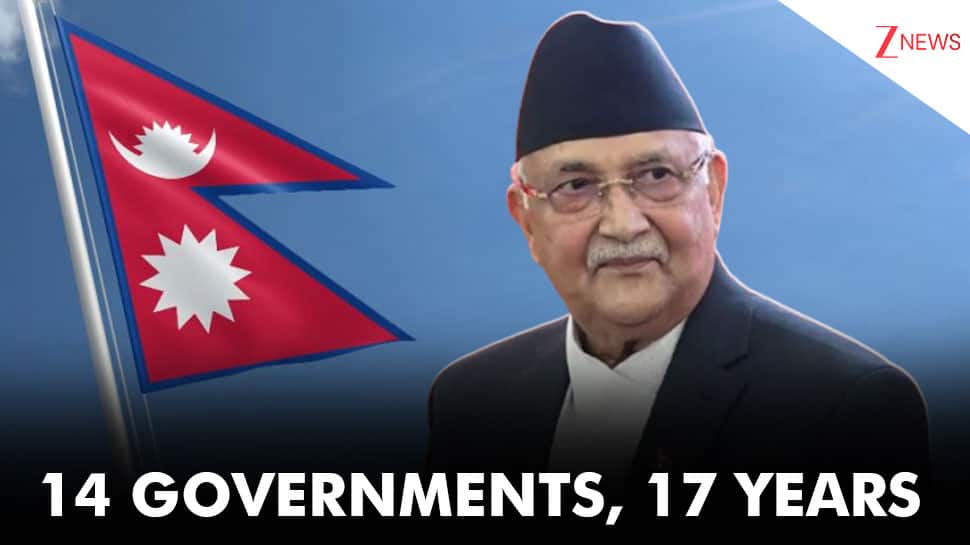
Nepal, a country that has seen 14 governments in just 17 years, is once again spiraling into political uncertainty and chaos.
What Is Happening In Nepal?
As protests continued into the second day following the killing of 19 protestors on Monday, Gen Z demanded accountability for corruption and a ban on 26 social media platforms. The protestors attacked the houses of leaders and even stormed into the parliament building at Baneshwor in Kathmandu and set the building on fire.
Several cases of vandalism and torching were also reported by the local media in many government offices of the nation. The situation in Kathmandu remained tense despite the curfew.
Also Read: Who Is Sudan Gurung, And Why Is He Face Of Nepal’s Gen Z Revolution?
KP Sharma Oli’s Fall
Oli is not a newcomer to politics; he is a veteran who entered the arena in his teenage years and even spent 14 years in jail for opposing the monarchy. This was his third term in power of the 73-year-old, whose resignation has once again brought political turmoil in Nepal.
He left school and started his days in politics as a student activist. However, in 1990, when the Panchayat regime was brought down, Oli reportedly became a well-known figure in the country’s politics.
KP Sharma formed his government after he ditched his then-friend Pushpa Kamal Dahal ‘Prachanda’. Turning his back on his friend, Oli joined Sher Bahadur Deuba.
The ousted PM then formed a coalition government with Deuba of Nepali Congress. However, this was not his first term her the PM; he first assumed the role in October 2015, and for a second time in February 2018.
This time, however, things do not seem simple. Now, the country’s youth are furious — burning buildings, storming institutions, and making it clear that they will no longer tolerate corruption and political arrogance.