

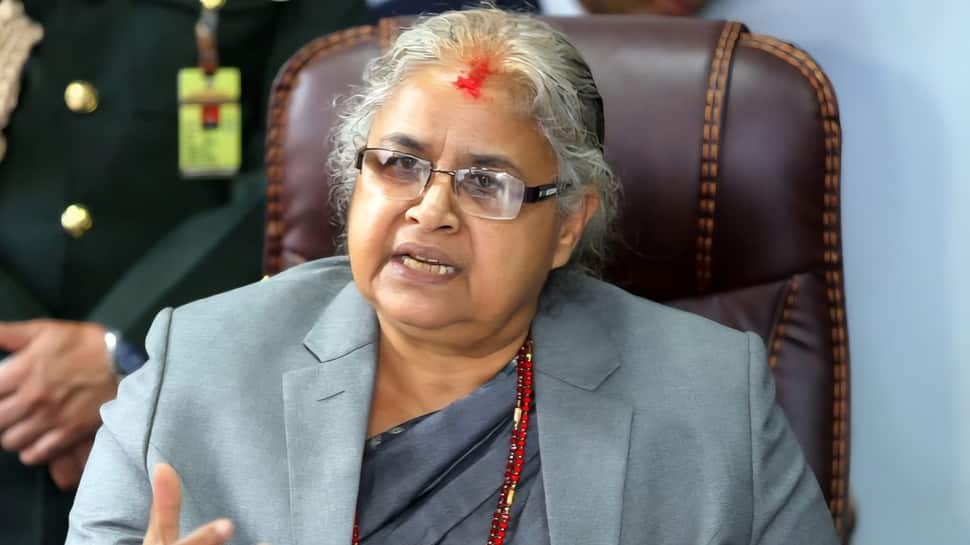
Nepal Protest Update: Amid the imposition of curfew in Nepal, the stage is set for a high-stakes meeting among top leadership, including President Ramchandra Paudel, Army Chief Ashok Raj Sigdel and former Chief Justice Sushila Karki, who has been chosen for heading the interim government. Kathmandu is bracing for a crucial round of talks as Nepal reels under the wave of youth-led anti-corruption protests. According to reports, President Paudel, Army Chief Sigdel, and Karki are preparing for a three-way dialogue at the President’s Office.
Crucial Meeting For Interim Govt Formation
The meeting, described by officials as ‘significant in the current crisis’, is expected to focus on restoring public confidence, assessing the security situation, and finding ways to address the mounting anger spilling onto the streets.
Security has been tightened in anticipation of the meeting and its outcome. The involvement of Karki—known for her strong stance on judicial integrity and public accountability—adds weight to the discussions. Political observers say her participation signals an attempt to include voices seen as credible by Nepal’s restless youth.
Also Read: Who Is Sushila Karki? Amid Nepal Gen Z Uprising This Name Comes Up As Next Potential PM
Negotiations are also on between the Nepalese Army, Nepal’s President Ram Chandra Paudel, and representatives of Gen Z youth to determine the leadership of an interim government amid ongoing political unrest, The Himalayan Post reported. According to reports, the Gen Z protest leaders have chosen Nepal’s former Chief Justice Sushila Karki as their unanimous nominee for the interim Prime Minister position.
Nepal Protest Death Toll
The death toll from the ongoing Gen Z protests in the Kathmandu Valley has climbed to 31. Moreover, over 1000 people were injured in the protest across the region. Today’s meeting comes just days after Prime Minister K.P. Sharma Oli’s resignation and continuing violent demonstrations across the country, which have seen government offices, party headquarters, and even private residences vandalised or set ablaze.
For many, the outcome of today’s dialogue will be seen as a test of whether Nepal’s top institutions can rise above politics and respond to one of the most serious crises the young republic has faced in recent years.
Also Read: Nepal’s Gen-Z Protest: Why Whispers Of A Deep State Plot Refuse To Die
Nepal Protest Background
The protests began on September 8, 2025, in Kathmandu and other major cities, including Pokhara, Butwal, and Birgunj, following the government’s imposition of a ban on major social media platforms, citing concerns over tax revenue and cybersecurity. Curfew was imposed in several cities, including Kathmandu, to control the situation, which will continue till Friday morning, as per a statement issued by the Nepalese Army.
Protesters have been demanding an end to “institutionalised corruption and favouritism” in governance. They want the government to be more accountable and transparent in its decision-making processes. Public frustration deepened further when the “Nepo Babies” trend on social media exposed the lavish lifestyles of politicians’ children, highlighting the economic disparity between them and ordinary citizens.