

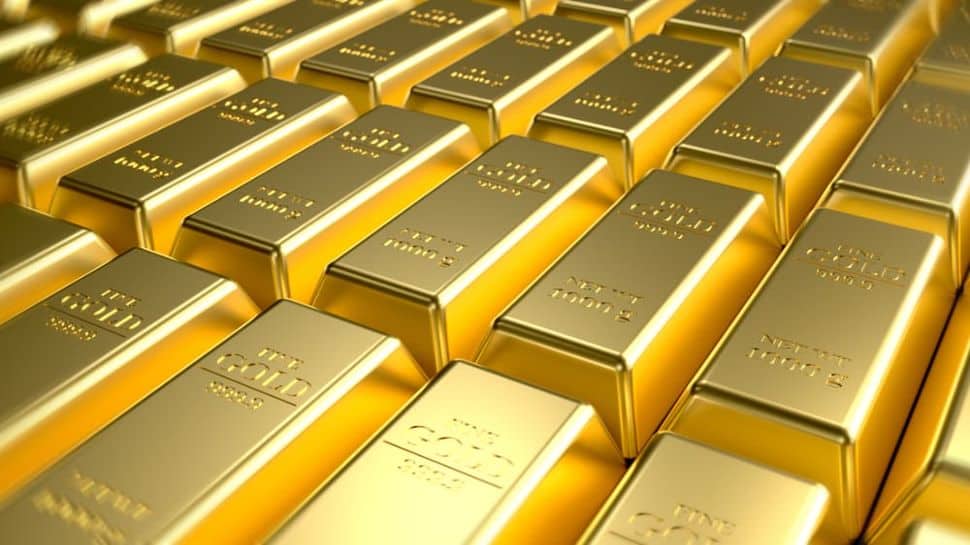
Gold and Silver Reserves: Gold and silver are far more than merely jewellery. For centuries, people have turned to these metals as safe havens, especially during economic turbulence or political uncertainty. Governments, too, focus on building gold reserves to stabilise their economies. Unlike paper currency, gold and silver retain value and often appreciate over time.
Renowned for minting coins, Britain’s Royal Mint calls gold the ultimate secure asset. It shields against inflation, brings financial stability and even provides peace of mind during crises. Silver, meanwhile, remains a trusted investment.
A question often arises: which countries actually hold the largest treasure troves of gold and silver?
The Titans Of Gold
The world’s largest gold reserves belong to Russia and Australia. According to the US Geological Survey, Siberia in Russia and Western Australia are home to massive gold mining operations. In 2024 alone, Moscow produced around 310 metric tons of gold. Australia boasts estimated reserves of 12,000 metric tons, with annual production between 320-330 metric tons.
Canada and China follow closely, with 3,200 metric tons and 3,100 metric tons respectively. The United States also holds significant reserves, estimated at nearly 3,000 metric tons.
The Hidden Fortune
When it comes to silver, Peru leads the world, with roughly 140,000 metric tons of reserves. The Antamina mine plays a major role in supplying silver globally. Russia ranks second, with around 92,000 metric tons, keeping mining operations running despite geopolitical challenges.
China comes third, with 70,000 metric tons, while Poland shines as Europe’s silver powerhouse with 61,000 metric tons. Mexico holds close to 37,000 metric tons.
Gold and silver continue to be symbols of wealth, security and stability. As global markets fluctuate and currencies wobble, these precious metals quietly preserve value, offering enduring assurance for nations and investors.