

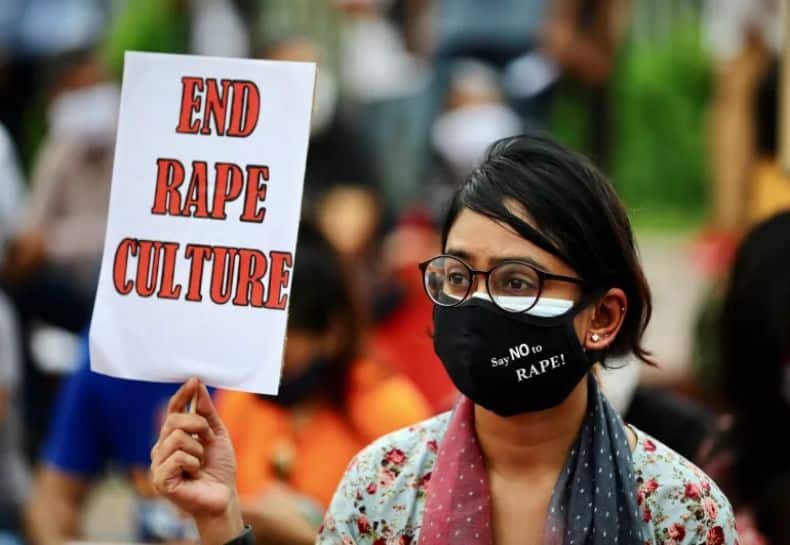
Dhaka: Bangladesh, this year, so far, has reported 306 cases of rape involving young girls, which is 72 more than the total number of cases registered last year. According to the human rights organisation Ain o Salish Kendra (ASK), this alarming rise highlights a growing crisis.
ASK’s data reveals that March and April were the months with the highest number of reported cases, with 106 and 64 incidents respectively. In addition, there were 129 attempted rapes, out of which 35 survivors were between the ages of zero and six. However, only 85 of these cases were formally registered.
The distressing situation also extends to boys. In the first seven months of 2025, 30 boys were reportedly raped. However, legal cases were filed in just 20 of these incidents. Forty-nine girls experienced sexual harassment while walking in public, and 22 cases involved abuse by teachers.
Ayesha Akhter, a lawyer at the Bangladesh Supreme Court, pointed to the strong influence of social stigma, family pressure and weak legal enforcement. Many victims or their families hesitate to report such crimes due to fear or shame.
She further emphasised the impact of delays in investigations and the social or political influence that accused individuals and their families might wield. Such factors often hinder proper legal action and delay justice.
This increase in sexual violence against children has raised urgent concerns among activists and legal experts in Bangladesh. The sharp rise in numbers calls for stronger protection mechanisms and reforms in how the justice system handles such sensitive cases.
Human rights groups stress the importance of supporting survivours/victims, improving the speed and sensitivity of investigations and creating awareness to break the silence around these crimes. The government faces mounting pressure to implement better laws and ensure that perpetrators face strict consequences.
The report by the ASK highlights the challenges Bangladesh continues to face in protecting its children from sexual violence. Efforts by civil society and legal advocates remain crucial to addressing this deeply rooted issue in society.