

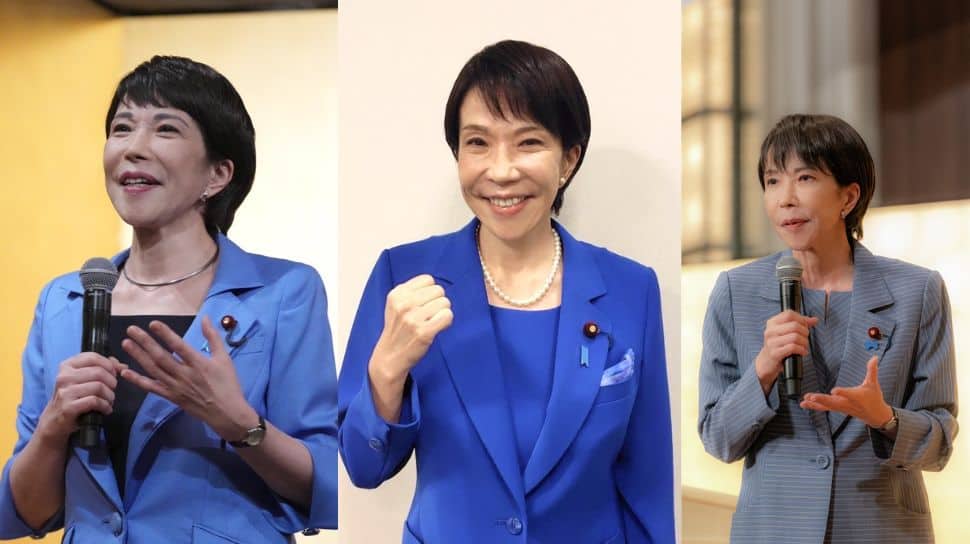
Sanae Takaichi, a 64-year-old ultra-conservative lawmaker, is poised to make history as Japan’s first female prime minister after being chosen to lead the long-dominant Liberal Democratic Party (LDP).
In a country that consistently ranks low on global gender equality indices, her rise to power might seem like a progressive milestone. Yet, many women’s rights advocates in Japan are not celebrating. Their unease stems from Takaichi’s deeply conservative views, which align more closely with traditional male-dominated ideals than with modern feminist aspirations.
Takaichi has pledged to increase female participation in government, but her record tells a more complex story. She has opposed reforms supporting women’s empowerment, including policies that would allow married couples to keep separate surnames, as well as same-sex marriage and changes to the male-only imperial succession rule. Her long-held belief that women should primarily serve as good mothers and wives has drawn criticism from equality advocates.
According to media reports, female lawmakers in the LDP are often sidelined, holding only minor cabinet positions and facing resistance when promoting gender diversity. Currently, women account for just about 15% of Japan’s more powerful lower house, and only two of the country’s 47 prefectural governors are women.
Takaichi’s Political Journey
Takaichi’s strong ties to the party’s male heavyweights have also raised concerns that her leadership may reinforce, rather than reform, Japan’s patriarchal political culture.
Despite these criticisms, Takaichi has shown some empathy toward women’s health issues, publicly discussing her experience with menopause and urging better education for men to support women in schools and workplaces.
First elected to parliament from her hometown of Nara in 1993, she has since held key posts including minister of economic security, internal affairs, and gender equality. A self-proclaimed admirer of former British Prime Minister Margaret Thatcher, Takaichi also shares the conservative vision of late Japanese leader Shinzo Abe, whom she has often described as her political mentor.
Nationalism, Security And A Conservative Vision for Japan
Known for her unconventional past as a heavy-metal drummer and motorbike enthusiast, Takaichi is a nationalist who advocates for a stronger military, increased fiscal spending, nuclear energy expansion, and stricter immigration controls. She is also a frequent visitor to the controversial Yasukuni Shrine, a site that honors Japan’s war dead and remains a source of tension with neighboring China and South Korea.
As she prepares to take the helm, Takaichi has yet to outline her specific agenda as prime minister. Analysts suggest her leadership could bring continuity to Japan’s conservative politics while testing the balance within the ruling coalition, particularly with the more moderate Komeito party.