

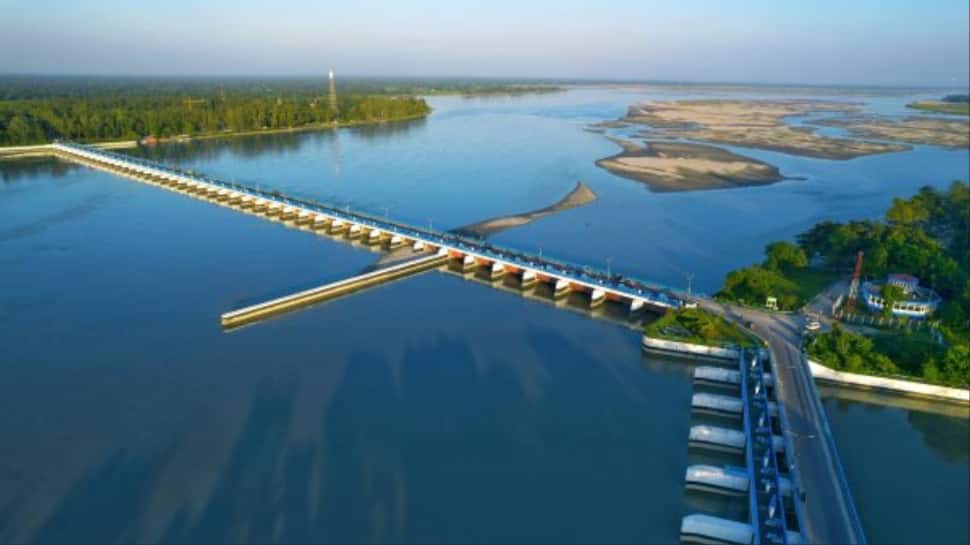
On 19 October, hundreds of students and activists gathered at Chittagong University, forming a human chain near the Shaheed Minar. Holding placards and flaming mashaal torches, they marched in protest, demanding swift implementation of the long-delayed Teesta River Master Plan and a “fair share” of water from the river, according to state-run news agency Bangladesh Sangbad Sangstha (BSS). Organised largely by students from the Rangpur division, the protest reflected growing frustration over what many see as continued water injustice and India’s alleged influence over Bangladesh’s water policies. The Teesta River, crucial to agriculture and livelihoods in northern Bangladesh, has long been the centre of a deadlocked water-sharing dispute with India.
Demonstrators argued that the China-backed Teesta project could transform the country’s north by improving irrigation, creating jobs, and boosting economic development. The protest concluded with calls to safeguard national interests and ensure water justice for Teesta-dependent regions.
This rally followed a series of torchlight demonstrations across five northern districts just days earlier, signalling a coordinated push from the grassroots. The Dhaka Tribune reported that thousands took to the streets in the Rangpur division demanding the immediate implementation of the Teesta Master Plan.
Why Teesta Matters
The Teesta River originates in the eastern Himalayas, flows through West Bengal in India, and enters Bangladesh before merging with the Jamuna. For decades, Dhaka has accused New Delhi of restricting water flow during the dry season, hurting agriculture and livelihoods. In the monsoon, however, the river often causes flooding, leading Bangladesh to demand better year-round water management.
Despite numerous rounds of talks, no formal agreement has been reached. West Bengal’s strong opposition to water-sharing has repeatedly stalled a potential deal. Meanwhile, public impatience in Bangladesh has grown, especially in the north, where farmers and residents rely heavily on the river.
The issue took a new turn in March this year when Bangladesh’s interim government chief Muhammad Yunus visited Beijing and formally requested China’s support for a 50-year river management master plan. The proposal includes comprehensive river engineering, dredging, dam construction, and water storage facilities to better manage both drought and flood conditions. Chinese companies were invited to participate in the project, which is estimated to cost 6,700 crore taka in its first phase.
China’s involvement in the Teesta plan has stirred unease in Delhi, particularly because of the river’s strategic location. The proposed project site lies close to the narrow Siliguri Corridor, often referred to as the Chicken’s Neck, a 20-kilometre strip connecting India’s northeast with the rest of the country.
Security Concerns And Regional Implications
Indian security analysts view the plan as more than just a development project. Its proximity to the Chicken’s Neck raises red flags, especially amid reports that Bangladesh is reviving its Lalmonirhat airbase, located nearby. Although Bangladeshi military officials have denied any Chinese role in the base’s development, strategic experts remain wary.
Commentator Brahma Chellaney has warned that Chinese involvement in both the river project and the nearby airbase could enhance Beijing’s surveillance capabilities in a sensitive region. The possibility of Chinese personnel or infrastructure near the Indian border has added a new layer to the Teesta dispute, transforming it from a bilateral issue into a potential regional flashpoint.
Kallol Mustafa, a Bangladeshi analyst, echoed these concerns in The Daily Star, noting that India’s unease stems from the likelihood of Chinese engineers and technicians being stationed close to a critical military corridor.
Political Undercurrents
The growing momentum behind the Teesta project also reflects shifting political dynamics in Dhaka. With general elections approaching, opposition parties such as the Bangladesh Nationalist Party (BNP) are reportedly throwing their support behind the China-backed plan. Tarique Rahman, the exiled son of former Prime Minister Khaleda Zia and the BNP’s de facto leader, has expressed support for the project.
While Prime Minister Sheikh Hasina had previously signalled a preference for working with India on the Teesta plan, recent public pressure and a changing political landscape appear to be nudging Dhaka closer to Beijing. Bangladesh has also signed on to the Belt and Road Initiative, further deepening ties with China.
Earlier this year, former Cabinet Secretary Kabir Bin Anwar told The Independent (UK) that the Teesta project would allow Bangladesh to build a large reservoir to store water during the monsoon, reducing dependence on India during the dry months.
A River Caught Between Three Powers
With the 1996 Ganga Water Treaty set to expire in 2026, unresolved water-sharing issues and China’s growing footprint in Bangladesh are raising new concerns in Delhi. For India, the Teesta issue is no longer just about water; it’s about strategic space, influence, and the delicate balance in South Asia.
As Bangladesh pushes ahead with its own plans, possibly without India’s involvement, Delhi is being forced to reckon with a shifting reality on its eastern front. The Teesta, once a symbol of shared resources, is now fast becoming a point of divergence, caught in the currents of politics, development, and geopolitics.