

Chinese authorities have launched one of the most sweeping crackdowns in years against an unofficial Christian congregation called Zion Church and has arrested dozens of the members this month. Its founder, Pastor Jin Mingri (also known as Ezra Jin), along with nearly 30 other pastors and church members, was detained in multiple cities including Beihai, Beijing, and Shanghai. The charges against them reportedly include “illegal use of information networks” or “dissemination of religious content via the internet.”
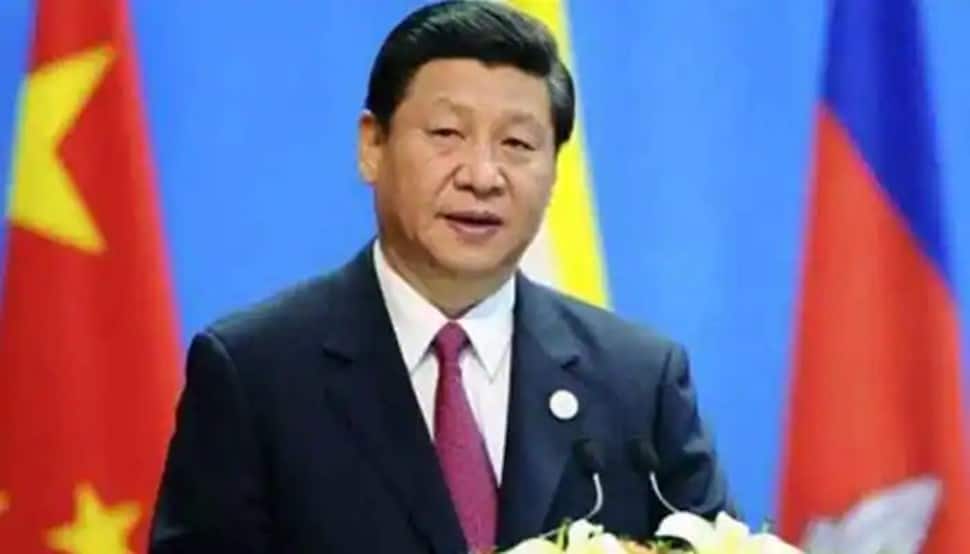
This crackdown is widely seen by human rights groups and church leaders as a sign of a broader push by the Chinese Communist Party (CCP) under President Xi Jinping to assert tighter control over religious expression—especially those Christian groups outside of state-sanctioned oversight.
Officially, China reports about 38 million Protestants and 6 million Catholics in state-approved churches. However, many experts and religious freedom organizations believe there are tens of millions more Christians attending unregistered or underground (“house”) churches. These groups are not recognized by the government and often refuse to register under the state-sanctioned Protestant “Three-Self Patriotic Movement” or the official Catholic Patriotic Association. The number of arrests is substantial: around 30 pastors and leaders affiliated with Zion Church have been detained in this current operation, with about 20 reportedly still in custody.
What’s Driving the Crackdown
Putting together recent moves, background laws, and incidents, several overlapping causes emerge:
“Sinicization” of religion: Xi Jinping has emphasized that religions in China—Christianity included—should align with “Chinese socialist values” and show loyalty to the Party. Religious doctrine, preaching, and materials are being brought under stricter state control.
Regulation of online religious activity: New laws and rules now require religious content online to be produced or approved by licensed, state-sanctioned groups. This is a way to limit unregulated gatherings and sermons delivered via the internet.
International and domestic tensions: Some suggest the crackdown coincides with moments of heightened tension between China and foreign powers, or a desire to ensure internal ideological control in a period of global instability. When religious groups operate across provinces, online, or have international connections, they potentially become seen as external influences.
Because underground churches often represent both spiritual communities and social networks outside official control, the CCP sees them as potential sources of dissent or foreign influence. The crackdown reflects a broader effort by the Chinese government to bring all religious activity under its supervision—especially churches that resist registration.