

As the US government shutdown drags on, uncertainty is growing over how the ongoing political deadlock might influence the 2026 midterm elections. With federal workers going without pay, essential services stalled, and both parties locked in a battle to shift blame, political analysts warn the fallout could extend well beyond the immediate crisis.
Leaders in Washington are making concerted efforts to blame the other side, hoping to control the narrative ahead of next year’s elections, according to the Associated Press.
Recent history offers mixed signals on whether government shutdowns significantly affect electoral outcomes. Following the 16-day shutdown in October 2013, Republicans experienced significant gains at the polls. The GOP had pushed for sweeping changes to President Barack Obama’s healthcare law in exchange for funding the government and allowing the Treasury to borrow more.
Doug Heye, former deputy chief of staff to then-House Majority Leader Eric Cantor, recalled unease within Republican leadership about the political consequences. Still, several Republican senators argued the shutdown could be a tactical move to force changes to the Affordable Care Act.
“We basically said, if this is what these guys want, they’ll touch the stove, they’ll get burned, and figure out, well, you don’t do that. This is not the smart course,” said Heye.
Eventually, Republicans stepped back as polling revealed a dip in support, but public interest quickly faded. By the 2014 midterms, Republicans had gained 13 House seats and flipped nine Senate seats to take control of the chamber.
Heye said the outcome showed that unless a shutdown is long and has a direct impact on everyday Americans, its political consequences are often limited. “Voters tend to have short memories on this.”
The 2018-19 Shutdown: A Different Outcome?
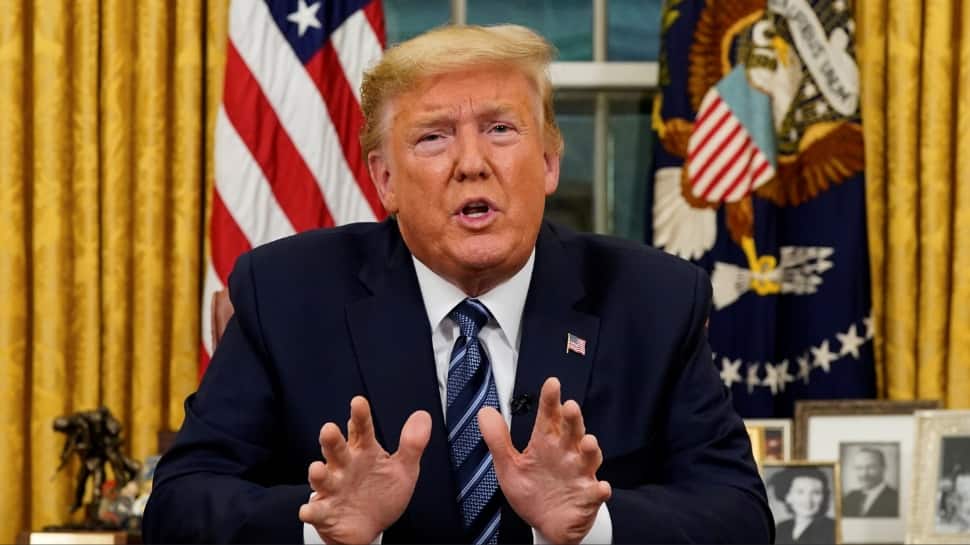
The longest shutdown in US history, spanning 35 days from late 2018 to early 2019, had a less clear electoral impact. Then-President Donald Trump demanded funding for a US-Mexico border wall, a move Senate Democrats refused.
The impasse ended only after Democrats insisted on reopening the government before entering talks on border security. While Trump was defeated by Joe Biden in the 2020 presidential election, the COVID-19 pandemic dominated the election, becoming the primary issue for voters.
According to the media reports, some political strategists believe the current shutdown is unlikely to shape the outcome of the 2026 midterms. Others have noted that Republicans could shoulder some public blame, but also argue that more pressing issues, especially inflation, the economy, and the cost of living, are likely to weigh more heavily on voters next year.