

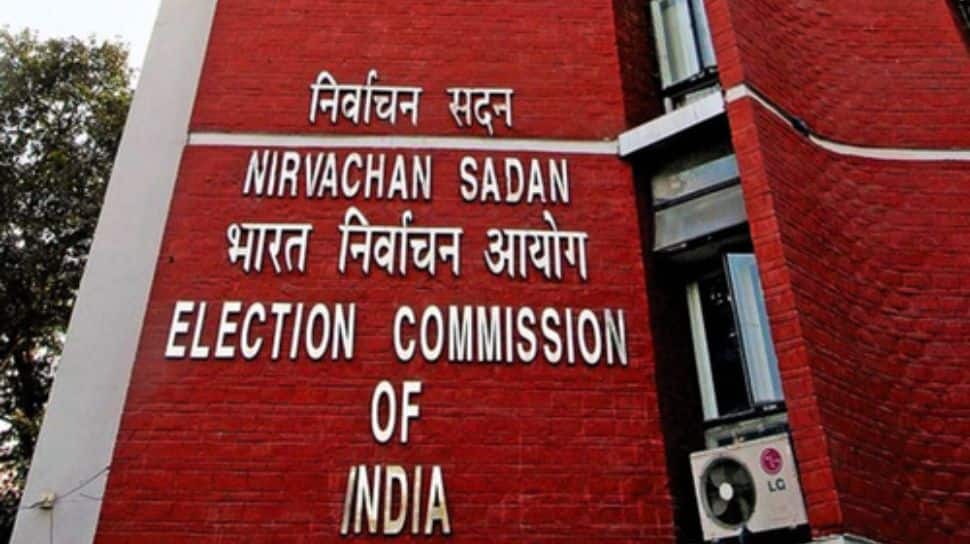
Bihar’s Chief Electoral Officer (CEO) and district magistrates have published the list of 65 lakh names removed from the state’s electoral rolls after the Special Intensive Revision (SIR).
The list is available online on the CEO and district magistrate websites, with links redirecting to the Election Commission of India’s voter services portal, where names can be checked using the EPIC number or by selecting an assembly constituency booth.
The move follows the Supreme Court’s directive on August 14, which instructed the Election Commission of India (ECI) to publish the names of 65 lakh voters removed from Bihar’s draft electoral rolls, along with the reasons for their deletion.
The Supreme Court also directed the ECI to disseminate this information through local newspapers, Doordarshan, radio, and official social media channels.
The order came after the Association for Democratic Reforms (ADR) approached the apex court seeking two specific directions to the ECI: first, to issue a constituency-wise and booth-wise list of voters left out of the electoral rolls, including reasons such as death, permanent transfer, duplication, or missing entries; and second, to disclose the names of voters whose enumeration forms were marked as “not recommended” by booth-level officers (BLOs).
SC to Hear Petitions Challenging ECI’s SIR of Bihar Electoral Rolls on August 22
The Supreme Court has scheduled a hearing on August 22 for a batch of petitions challenging the Election Commission of India’s (ECI) decision to carry out the Special Intensive Revision (SIR) of Bihar’s electoral rolls.
The petitions were filed by RJD MP Manoj Jha, the Association for Democratic Reforms (ADR), PUCL, activist Yogendra Yadav, Trinamool MP Mahua Moitra, and former Bihar MLA Mujahid Alam.
The petitioners have sought directions to quash the ECI’s June 24 order, which requires large sections of voters in Bihar to submit proof of citizenship in order to remain on the electoral rolls.
They also raised concerns over the non-acceptance of widely used documents such as Aadhaar and ration cards, arguing that this could disproportionately affect poor and marginalized voters, particularly in rural areas of the state.