

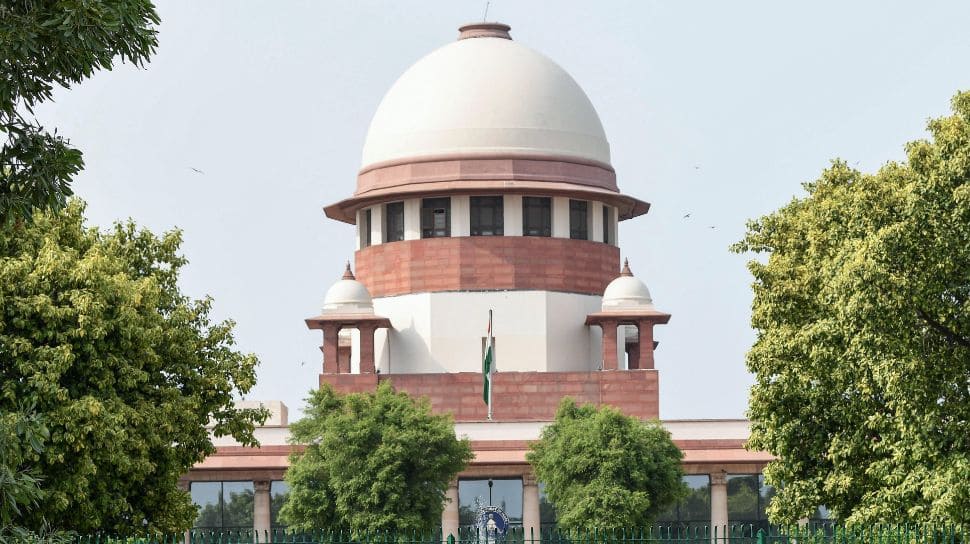
Delhi-NCR residents may be able to celebrate Diwali with firecrackers this year after the Supreme Court indicated it could relax the absolute ban currently in place. However, any permission would come with stringent time restrictions aimed at balancing festival celebrations with air quality concerns.
A bench comprising Chief Justice of India BR Gavai and Justice K Vinod Chandran reserved its order on Friday after hearing arguments from multiple parties, including the Centre, environmental experts, and legal representatives. The court said it would consider lifting the ban “for the time being” on a trial basis during the five days of Diwali, but stressed that celebrations would be “confined to certain time limits.”
The government proposed specific time windows for firecracker use:
Diwali and major festivals: 8pm to 10pm
New Year’s Eve: 11:55pm to 12:30am
Gurpurab: One-hour slots in morning and evening
Weddings and personal occasions: Permission for limited use
The Green Cracker Problem
Amicus Curiae senior advocate Aparajita Singh, assisting the court in the matter, raised serious concerns about “fake green crackers” being sold under false labels. These products, she pointed out, continue to use polluting chemicals despite being marketed as environmentally friendly alternatives.
Environmental experts have repeatedly warned that between 2018 and 2020, when a similar policy for green firecrackers was implemented, there was no measurable reduction in air pollution levels. On the ground, they argue, it’s virtually impossible to distinguish between green crackers and conventional firecrackers.
While green crackers are designed to produce around one-third less pollution than regular firecrackers, experts note they are still polluting — just less so.
Air Quality Concerns Remain Central
The Supreme Court also inquired whether there had been any improvement in the Air Quality Index (AQI) between 2018 and 2024, highlighting the court’s focus on measurable environmental outcomes rather than just symbolic gestures.
Delhi-NCR’s air quality traditionally deteriorates sharply during the Diwali period due to multiple factors:
• Stubble burning in adjoining states, particularly Punjab
• Unfavorable weather and wind conditions
• Firecracker emissions causing temporary but severe spikes
• Vehicular and industrial pollution accumulation
Even temporary spikes from firecracker use can push already compromised air quality into hazardous zones, affecting respiratory health across the region’s millions of residents.
What Happens Next
The Supreme Court will announce its final decision in the coming days. For Delhi-NCR residents, the court’s upcoming order will determine whether this Diwali brings back the sound of firecrackers after years of restrictions or whether health concerns will continue to override traditional celebrations.