

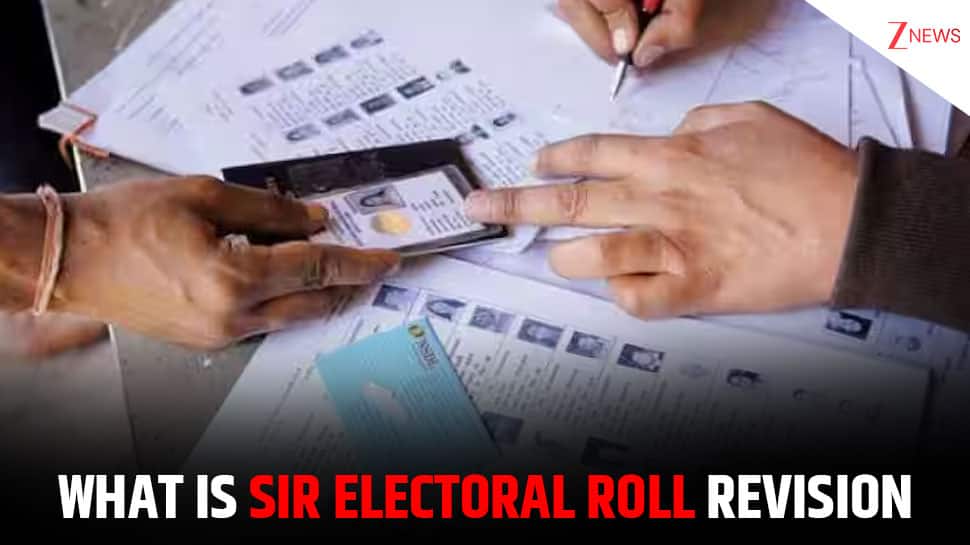
The Bihar political scene, readied for assembly polls later this year, is dominated more and more by a controversial word: Special Intensive Revision (SIR) of electoral rolls. The exercise to revise voter rolls has provoked a furious protest from the opposition, leading to the arrest of more than 300 Members of Parliament belonging to 25 parties in the INDIA bloc, including Rahul Gandhi and Priyanka Gandhi, in Delhi today (August 11). Opposition parties accused “voter fraud” in the 2024 Lok Sabha polls and raised serious concerns about the existing SIR process.
What Is Special Intensive Revision (SIR)?
Special Intensive Revision (SIR) is a normal process done by the Election Commission to revise and improve the list of voters. The main goals are:
Removing names: Erasing entries of dead persons or those who have shifted out of the voting constituency.
Addition of names: Adding citizens who have reached 18 years of age or were missed in previous lists.
In past effect, SIR tries to guarantee that the voters’ list is correct and corresponds to the current constituency population.
Are Voters Necessary To Present Documents?
The public is often wondering if all voters must bring documents during the SIR process. The Election Commission responds by clarifying that this is not true. Only voters whose names have been erased or who want to append their names to the list must provide relevant documents for authentication. Those whose names are already properly listed are not required to bring any documents.
Why Is The Opposition Protesting?
The opposition has been on the streets, strongly rejecting the SIR process as a “political conspiracy” to disenfranchise millions of voters. They believe that the revision as it is currently done is not transparent and will disproportionately impact certain communities and economically disadvantaged groups.
The controversy has been amplified by recent allegations made by Rahul Gandhi regarding discrepancies in voter lists and polling data during the Maharashtra Assembly elections. A key concern raised by the opposition is the requirement for voters to produce up to 11 types of documents, which they claim a large segment of the population, particularly the poor and uneducated, may not possess.
The Opposition’s Concerns
The opposition’s main fear is the possibility of poor and illiterate people in huge numbers being unable to go through the process of re-registering their names, and thus losing their right to vote. They are concerned that this can cause mass disenfranchisement.
On the other hand, the ruling party has rubbished the opposition’s claims, stating that the SIR process is being conducted only to identify and eliminate non-residents of the region (like voters who are not residents of the area) and is not aimed against any particular community or group. The controversy reflects increased political tensions as Bihar prepares for its state polls.