

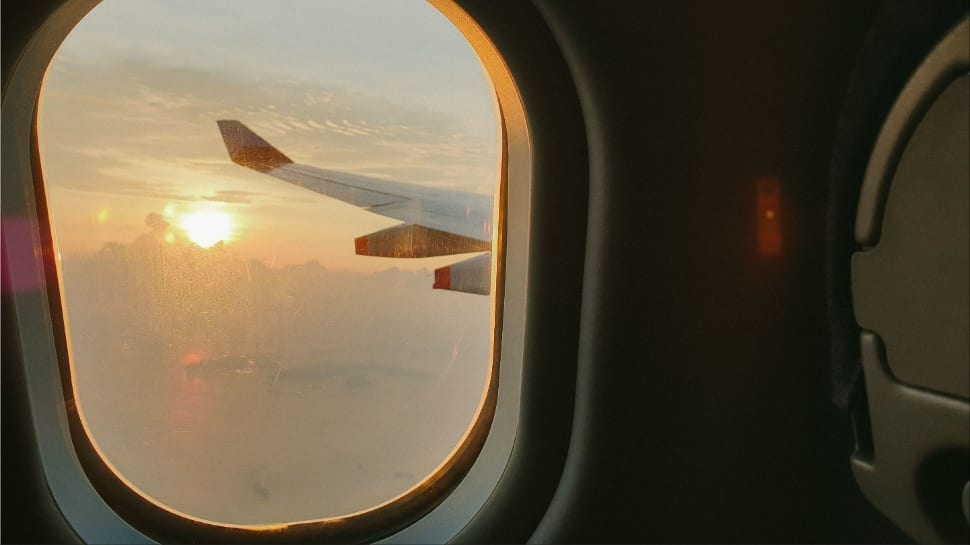
If you’ve ever flown on a commercial aircraft, you’ve likely heard flight attendants request before landing, “Please keep your window shades open.” At first glance, it may seem like a minor or even unnecessary instruction. However, this simple request serves an essential purpose, and it has nothing to do with comfort or scenery. In fact, keeping window shades open during landing is a universal safety protocol followed by airlines worldwide.
Here’s why flight attendants insist on it.
5 Reasons Window Shades Must Be Open During Landing
1. Rapid Emergency Detection
Take-off and landing are statistically the most critical phases of a flight. With the shades open, both cabin crew and passengers are better able to detect external hazards, such as fire, smoke, or debris on the runway. In an emergency, being able to see which side of the aircraft is safer for evacuation could save lives.
2. Maintaining Passenger And Crew Alertness
A darkened cabin, especially with window shades drawn, can create a relaxed, even sleepy environment. By keeping shades open, airlines aim to keep passengers alert and aware. Flight attendants can also better observe passenger reactions and spot anything out of the ordinary. This alertness ensures that everyone is in a responsive state should anything go wrong.
3. Adapting Vision To Outside Light
Imagine having to evacuate a brightly lit runway after sitting in a dark cabin. Your eyes would take time to adjust, a delay that could be dangerous. Open shades allow your vision to naturally acclimatise to the outside light, whether it’s broad daylight or dim evening conditions. This reduces disorientation and supports a faster, safer exit if needed.
4. Identifying Safe Exits
In rare emergency landings, not all exits may be usable. One side of the aircraft could be blocked by fire or an obstruction. Open window shades enable crew members to make quick decisions about which exits to use and allow passengers to clearly follow directions without hesitation.
5. Complying With International Aviation Safety Standards
This isn’t just an airline preference; it’s part of global aviation safety procedures. Authorities such as the Federal Aviation Administration (FAA) and the European Union Aviation Safety Agency (EASA) include this in their standard operating protocols. Regardless of where you’re flying, within India or internationally, the same rules apply, ensuring consistent safety practices across the industry.
Common Myths About Window Shades
Some travellers assume the instruction is purely cosmetic or for enjoying the view. Others think it only applies during take-off. In truth, the purpose is entirely safety-related. Understanding this helps passengers cooperate more readily and appreciate the reasoning behind the request.
Frequently Asked Questions
1. Why are cabin lights dimmed but window shades kept open?
Dimming the lights allows passengers’ eyes to adjust to the light levels outside, particularly during dusk or night landings. Open shades complement this by ensuring the external environment is visible. Together, these measures help passengers react more quickly in an emergency.
2. Do all airlines follow this rule?
Yes. Though some airlines phrase it as a “courtesy request,” it is a standard requirement. Whether you’re flying domestically or internationally, this safety measure is always observed.
3. What if a passenger refuses to open the shade?
In such cases, cabin crew are trained to insist, firmly but respectfully. It’s a matter of safety compliance, much like fastening your seatbelt. The crew is responsible for ensuring all passengers follow procedures before landing.
4. Does this rule apply at night as well?
Absolutely. At night, open shades allow visibility of airport lights, runway signals, and emergency services, which is just as crucial as spotting daylight hazards.
5. What about those not seated by the window?
Even aisle and middle-seat passengers benefit. In an emergency, they rely on window-seat passengers and crew for visual updates and direction. A clear view outside helps the entire cabin respond effectively.
Related Safety Procedures Explained
Why Must Seats Be Upright During Take-Off and Landing?
Upright seats allow for faster movement in emergencies and prevent obstruction of exit paths. Similarly, tray tables must be stowed, and loose items secured to avoid tripping hazards or injury.
Why Are Cabin Lights Dimmed?
This is done to prepare your eyes for low visibility conditions, such as sudden power loss or external darkness. It helps passengers see clearly if an emergency evacuation is needed.
Real-Life Examples and Safety Statistics
Investigations into past aviation incidents have shown that visibility through windows has helped passengers and crew make faster decisions during emergency landings. In some cases, being able to spot flames or blocked exits has directly contributed to safer and quicker evacuations.
Passenger Tips
- Adjust your shade gently if asked.
- Be cooperative and encourage others nearby to follow the same.
- Avoid arguing with the crew; it’s not a suggestion; it’s part of protocol.
- A Small Rule With a Big Purpose
Keeping window shades open during landing is one of many layered safety practices that include upright seats, dimmed lights, and secured cabin items. These steps work together to create the safest possible conditions during the most vulnerable moments of a flight.
So the next time a flight attendant asks you to raise your window shade, remember: it’s not for aesthetics, it’s a small act that could make a critical difference in an emergency.