

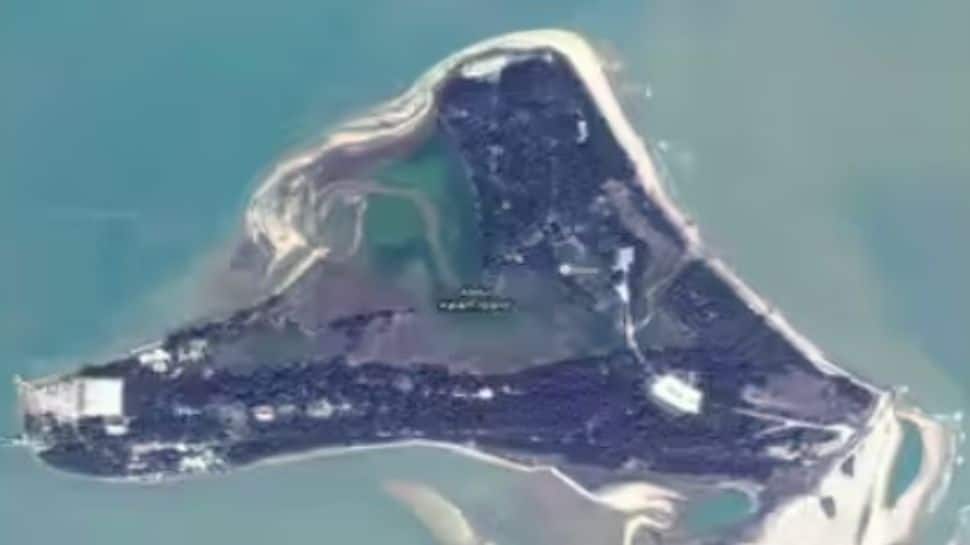
New Delhi: India is preparing for another major missile test in the Bay of Bengal later this month. A Notice to Airmen (NOTAM) has been issued for September 24 and 25, designating a large no-fly zone stretching over 1,400 kilometres. The launch is planned from Abdul Kalam Island off the Odisha coast.
According to officials, the test could involve the Agni-Prime (Agni-P), a next-generation medium-range ballistic missile. With a strike range between 1,000 and 2,000 kilometres, it represents India’s shift towards lighter, faster and more accurate systems. Its compact design makes deployment easier and gives the armed forces greater flexibility.
A senior official confirmed the strategic significance of the upcoming test. “The NOTAM points to a powerful long-range system. This will mark an important step for India’s defence preparedness,” he said.
DRDO’s Growing Missile Arsenal
The Defence Research and Development Organisation (DRDO) has expanded India’s missile capability at a steady pace. Over the past few weeks, three successful trials showcased that progress.
- Agni-5 (August 20, 2025): Tested from the Integrated Test Range in Chandipur, this missile can hit targets up to 5,000 km away. The Ministry of Defence said the system met all technical and operational standards. Its range covers much of Asia, northern China and parts of Europe.
- Prithvi-II: A nuclear-capable short-range ballistic missile. Its trial last month confirmed reliability and accuracy.
- Agni-I: Another short-range and nuclear-capable system. Recently tested to validate strike readiness.
Sources indicate that more trials are lined up in the coming weeks. Each system has a different role in India’s strategic posture. Together, they strengthen deterrence and ensure response options against regional threats.
Why This Test Matters
Security challenges around India are intensifying. Regional military movements and global tensions have added urgency to India’s preparedness. Agni-Prime adds a credible layer to the country’s arsenal.
It enhances deterrence and highlights India’s focus on self-reliance in defence.
Experts say that the missile embodies advances in indigenous technology. It represents the drive to modernise India’s strategic forces while reducing dependence on legacy systems.
Safety And Protocols
The upcoming trial is being planned under strict safety measures. The no-fly zone ensures that civil and commercial air traffic remains unaffected. Maritime advisories are also being issued to keep the testing area secure.
Detailed performance data and official confirmation of the missile type will follow after the launch.
A Growing Footprint
India’s cycle of missile trials demonstrates an evolving defence doctrine. It signals readiness for future challenges and confidence in home-grown technology. The September test will mark another milestone in this journey.
Each success adds to the layered structure of India’s deterrence and shows DRDO’s progress towards building a modern and resilient arsenal.