

The Jammu and Kashmir government has initiated a month-long geo-tagging drive to map all water bodies in the Union Territory. The initiative, part of the nationwide Jal Shakti Abhiyan “Catch the Rain” campaign, aims to address the Himalayan region’s vulnerability to climate change and ensure long-term water security.
Jammu and Kashmir, being a water-surplus region, faces threats from climate change and human pressure, such as receding glaciers and increasing urbanisation. Major lakes like the Dal, Wular, and Anchar have experienced significant degradation from siltation, encroachment, and untreated sewage discharge.
Now, the government drive aligns with the broader objectives of the Jal Shakti Abhiyan, named as Catch the Rain—2025 campaign. This campaign marks a strategic shift from pure planning to on-the-ground, community-driven implementation of water conservation measures.
Also Read: Drone Ban Imposed In Multiple Districts Of Jammu And Kashmir Amid Security Concerns
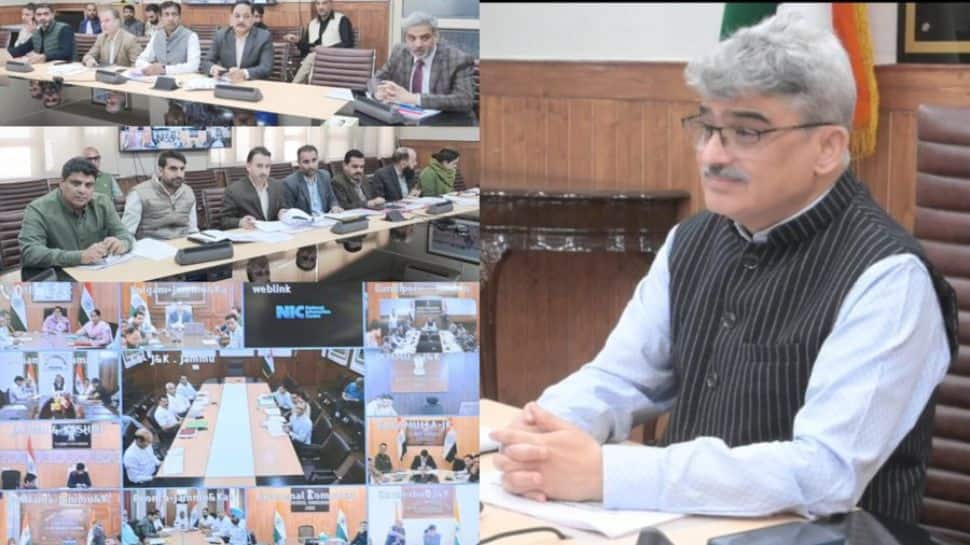
The Forest, Jal Shakti, and Rural Development Departments have been mandated to coordinate the effort, covering water bodies in both forest and non-forest areas. The drive has been given a one-month timeline to be completed before the winter snowfall makes the high-altitude areas inaccessible.
All 20 districts in J&K have already prepared and uploaded District Water Conservation Plans (DWCPs) to the JSA portal, providing a scientific foundation for the geo-tagging and subsequent conservation efforts.
The campaign is designed to leverage existing schemes and funding from sources like MGNREGS and Finance Commission Grants, rather than relying on separate JSA funds.
By creating a digital inventory, the government can move towards a more data-driven approach to environmental management. The precise mapping will enable better monitoring of water bodies and help fight illegal encroachments with scientific accuracy.
Geo-tagging and public access to the data are expected to improve transparency and accountability in the conservation process.
The initiative is designed to encourage community engagement, with water security and sustainability as the core objectives. The data-driven approach and community involvement are aimed at creating climate resilience and securing the region’s water resources for future generations.