


New Delhi: China Victory Day Parade on September 3 was not only a reminder of history but also a display of future warfare. The 80th anniversary of the Chinese People’s War of Resistance Against Japanese Aggression became the stage for the debut of four new YJ-series anti-ship missiles (the YJ-15, YJ-17, YJ-19 and YJ-20). Three different types of hypersonic systems stood together in public view for the first time, sending a message about the breadth of Beijing’s missile technology.
Military observers said the line-up offered a glimpse into the thinking that drives China’s defence strategy (speed, range and diverse technological pathways that complicate any attempt at interception). The missiles are designed to operate from multiple launch platforms, including destroyers, submarines and bomber aircraft, a mix that ensures reach far beyond coastal waters.
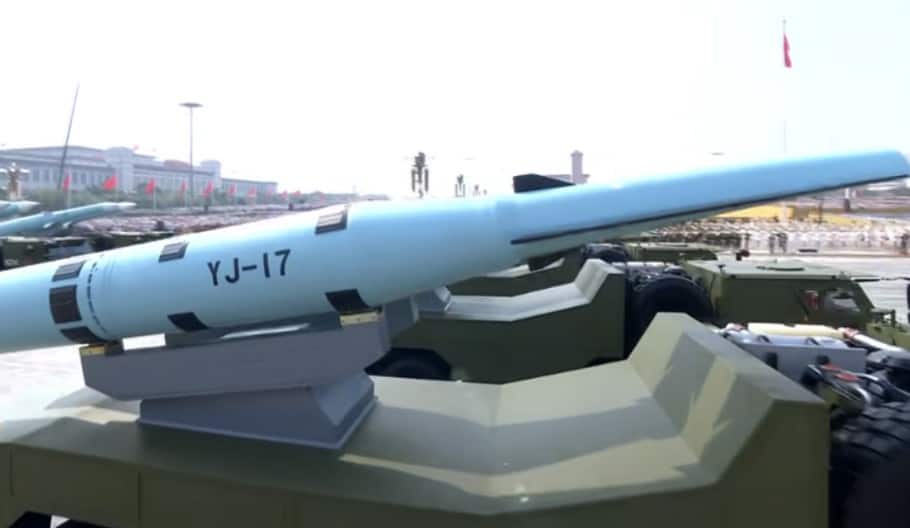
Built on an axisymmetric four-inlet layout to guarantee supersonic speeds, each missile carried a distinct design philosophy. The compact YJ-15 drew comparisons to the YJ-12 supersonic missile of a decade ago. The YJ-17 took a different route with a flat warhead and a boost-glide “waverider” form, enabling sharp manoeuvres during flight and making interception more difficult. The YJ-19 stood out for its air-breathing system, with a visible inlet under the body.
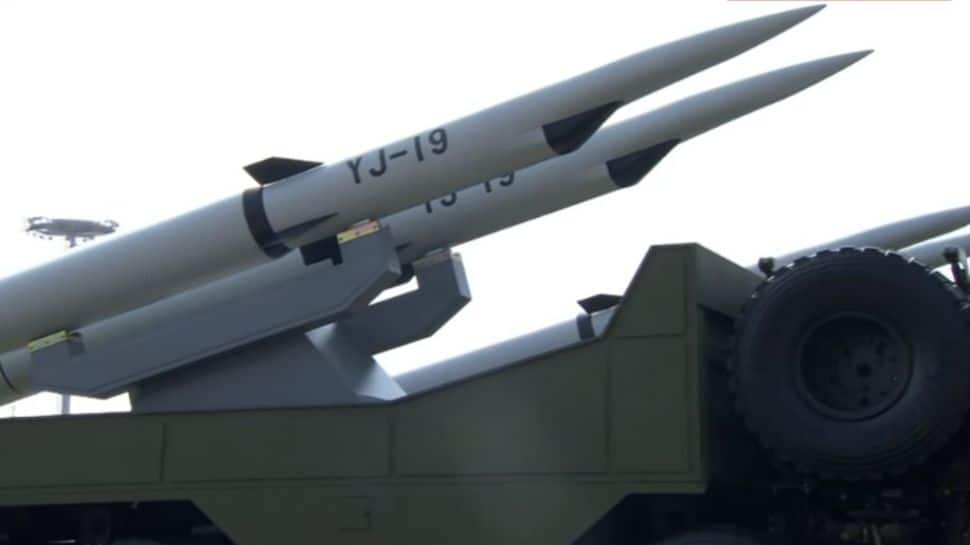
The analysts said such a configuration removes the need for heavy oxidiser tanks, reducing size and weight while sustaining power throughout the missile’s journey. This innovation could reshape tactical engagements, limiting the manoeuvring room of large adversary fleets.
By contrast, the YJ-20 carried the look of a larger and bi-conic hypersonic weapon. Its design allows near-vertical strikes on surface vessels and offers room for terminal manoeuvres, enhancing its ability to penetrate layered defences.
Hypersonic missiles are commonly defined as weapons flying at more than five times the speed of sound. Only those capable of manoeuvring within the atmosphere truly fit the category. And China now holds both major strands of technology: boost-glide vehicles such as the YJ-17 and YJ-20, and air-breathing systems like the YJ-19.
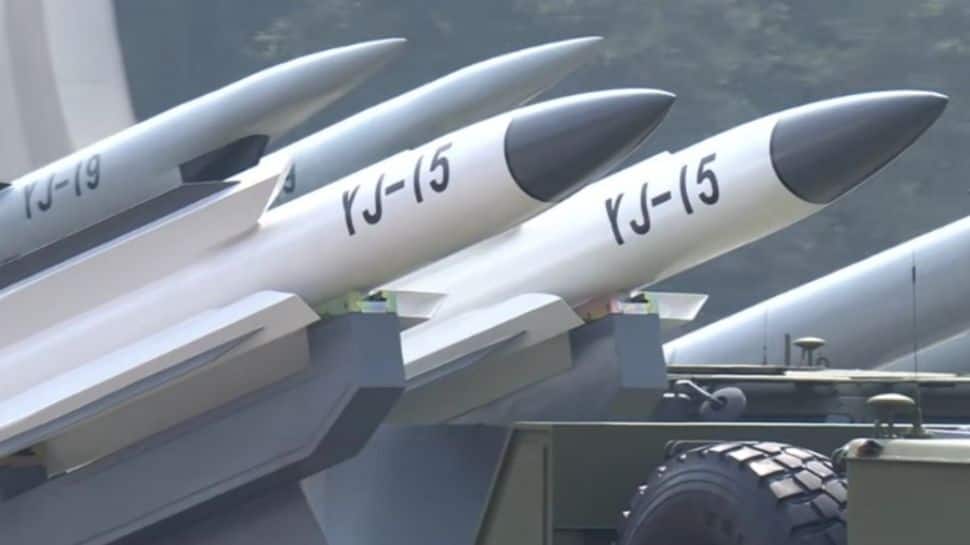
The experts emphasised that the significance of this debut lies not in individual specifications but in the portfolio effect. With subsonic low-altitude missiles, supersonic platforms and now multiple hypersonic designs, China is building a menu of strike options. A defender may prepare for one missile type, only to face a layered combination that is far harder to counter.


The unveiling also underlined Beijing’s ambition to operate in the “far seas”, moving from coastal defence to broader blue-water capability. The ability to arm H-6 bombers, Type 052D and Type 055 destroyers and even submarines with these missiles suggests a drive to stretch the reach of the Chinese navy and air force across the Pacific.
The message from the parade was clear. Beyond the symbolism of commemorating past battles, China demonstrated that its future arsenal is being shaped around speed, unpredictability and multiplicity. The YJ-15, YJ-17, YJ-19 and YJ-20 are signals of how Beijing intends to expand its playbook in the maritime domain.